
Tonkotsu Ramen
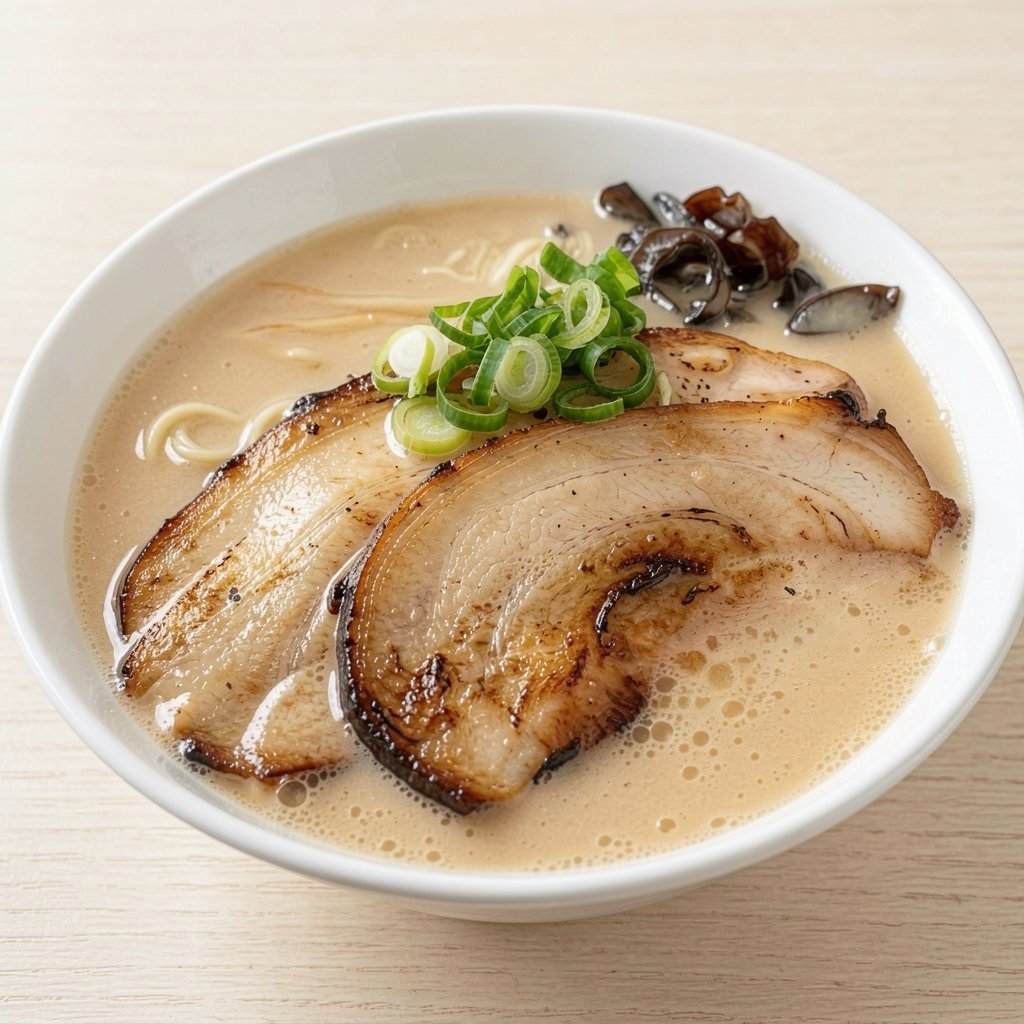
Authentic Hakata-style tonkotsu ramen with a creamy, rich pork bone broth and thin noodles.
23h11Servings
Nutrition
768kcal
47gProtein
38gCarbs
46gFat
Ingredients
CHASHU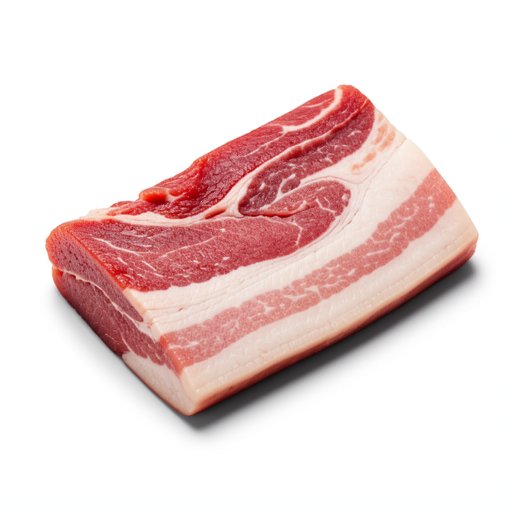
Pork Belly
500 g

Water
300 ml
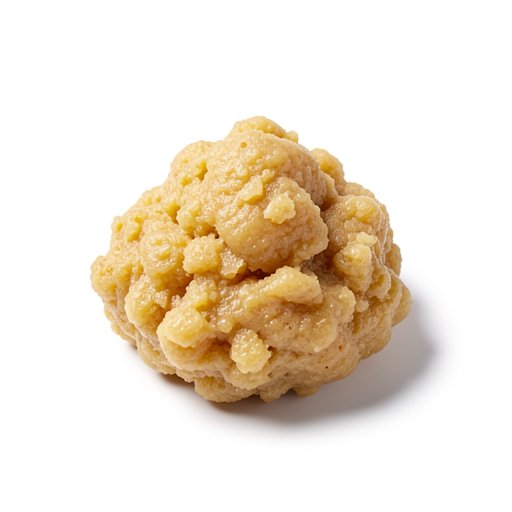
Cooking Sake
100 ml
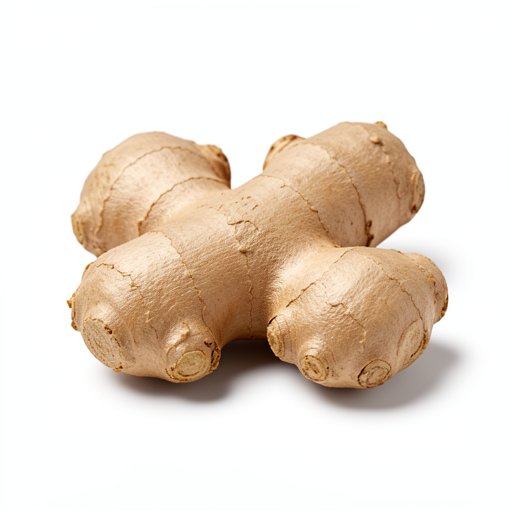
Ginger
3 pcs
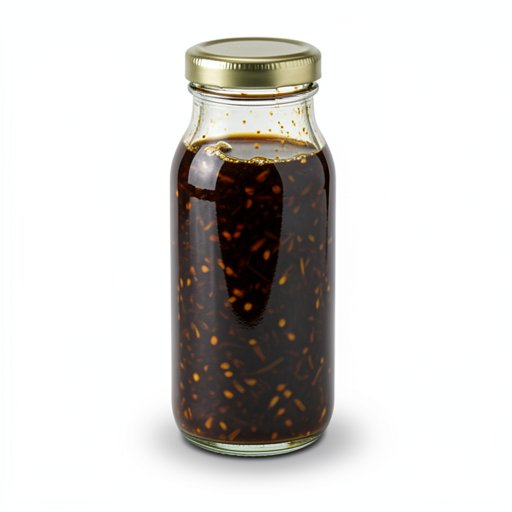
Koikuchi Shoyu
70 ml
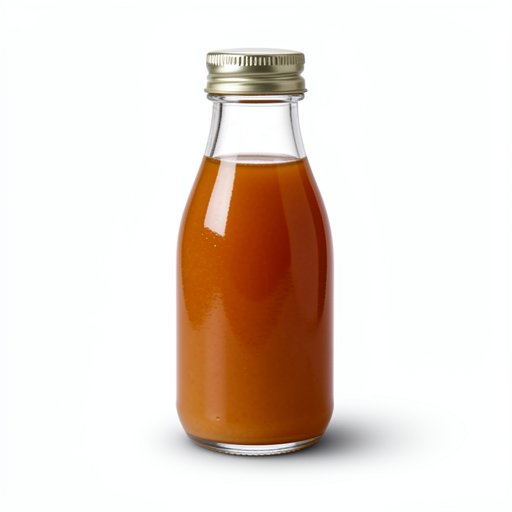
Mirin
30 ml

Sugar
2 tbsp
RAMEN SAUCE (TARE)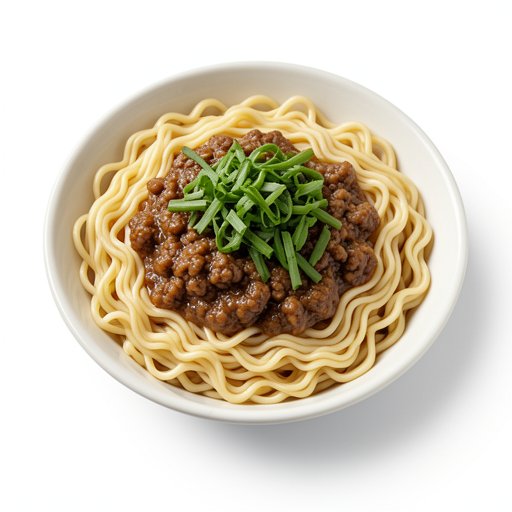
Water
250 ml
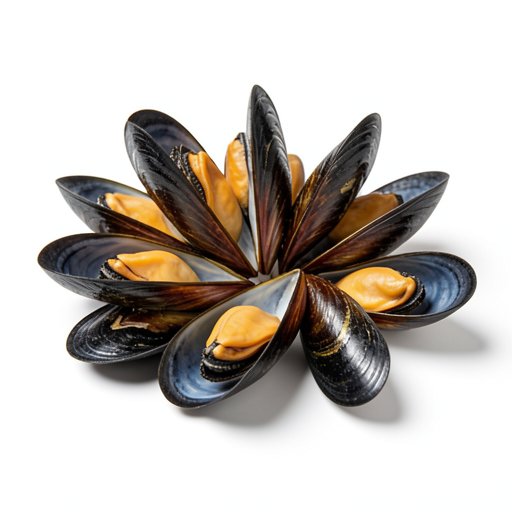
Mussels
200 g
Light Shoyu
100 ml
Koikuchi Shoyu
30 ml
Hon Mirin
50 ml
Cooking Sake
30 ml

Apple Vinegar
20 ml
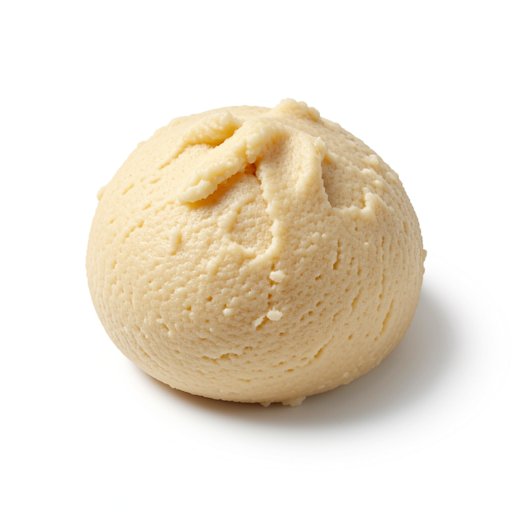
Sake Kasu
50 g
Honey
1 tbsp

Sea Salt
10 g
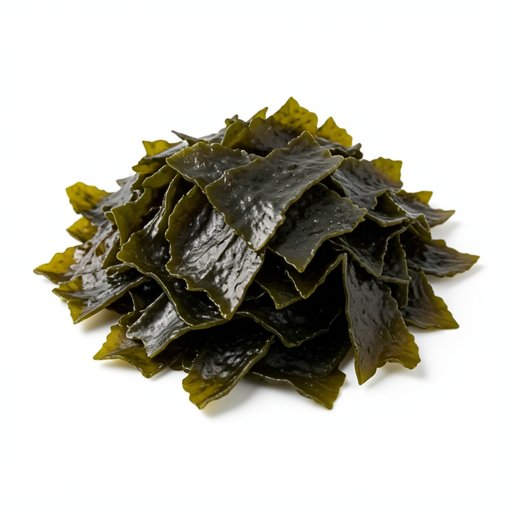
Rishiri Kombu
1 pc
TONKOTSU SOUP (BROTH)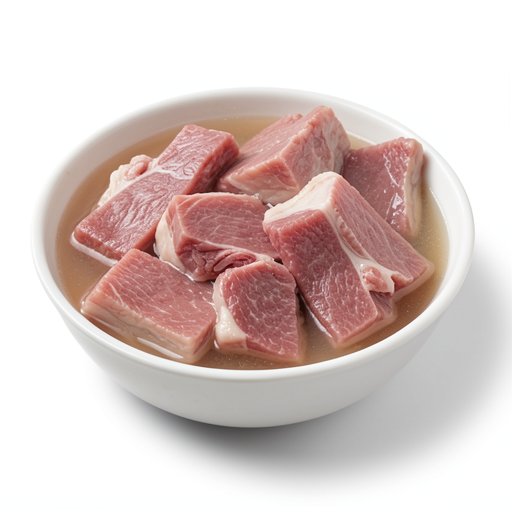
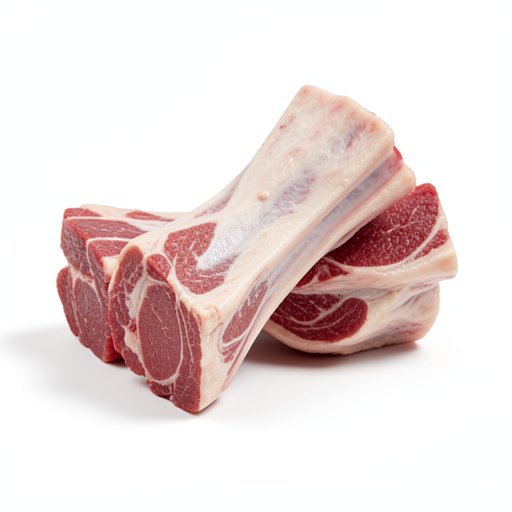
Pork Bones
1.7 kg
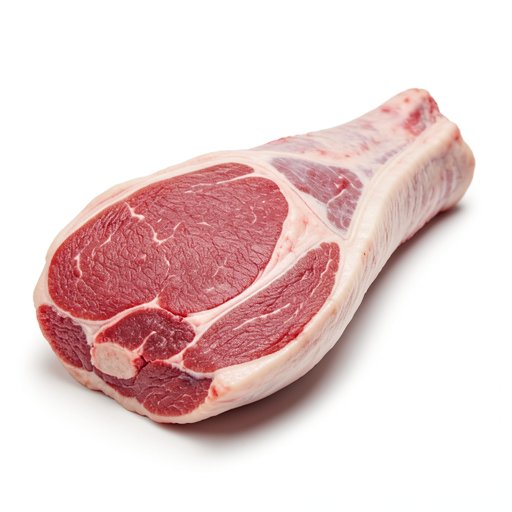
Pork Leg
2 pcs
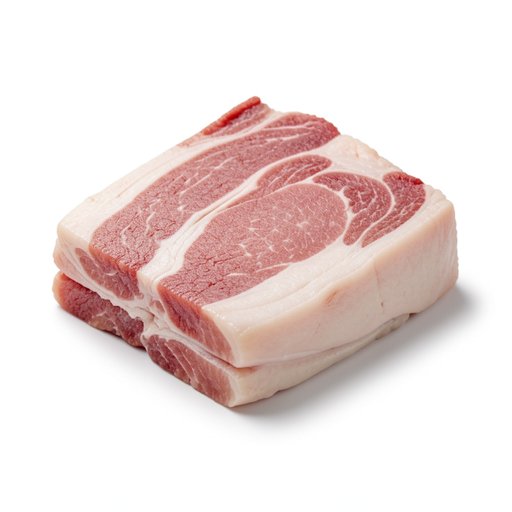
Pork Fat
1 pc
Water
2.8 l
NOODLES
Water
90 ml
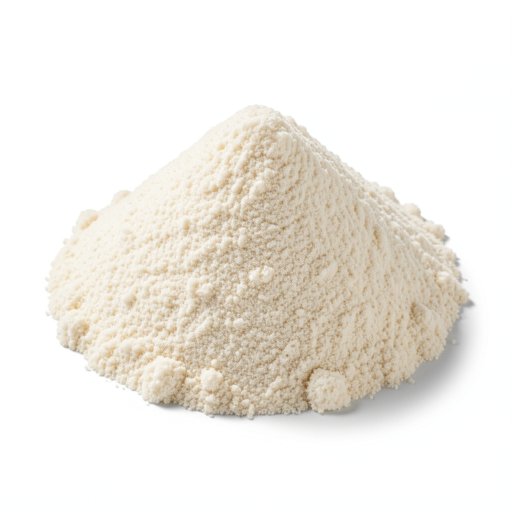
Kansui
3 g
Salt
3 g
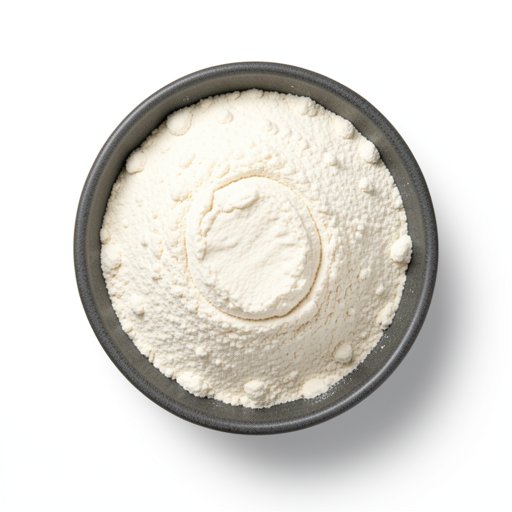
Ramen Flour
300 g
TOPPINGS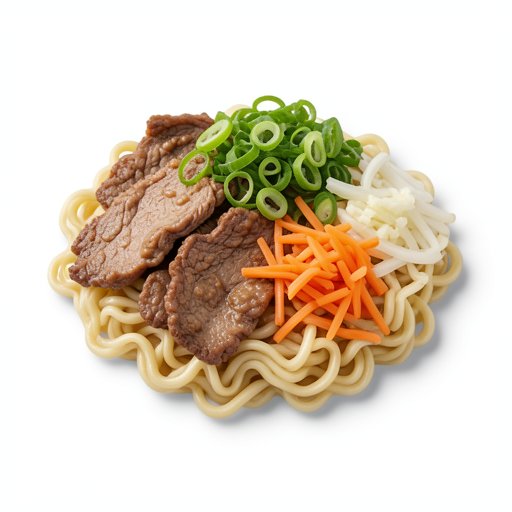
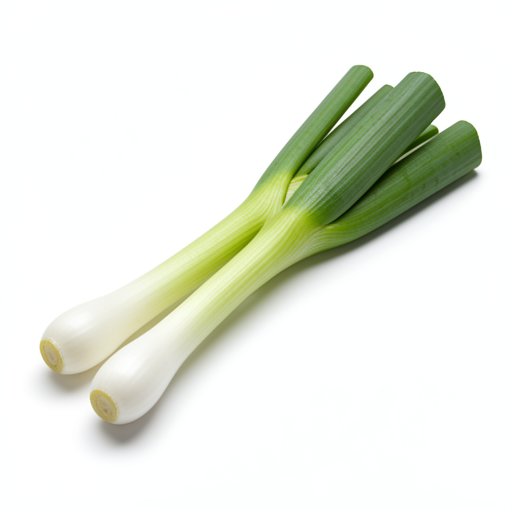
Spring Onions
A few leaves
1 pc
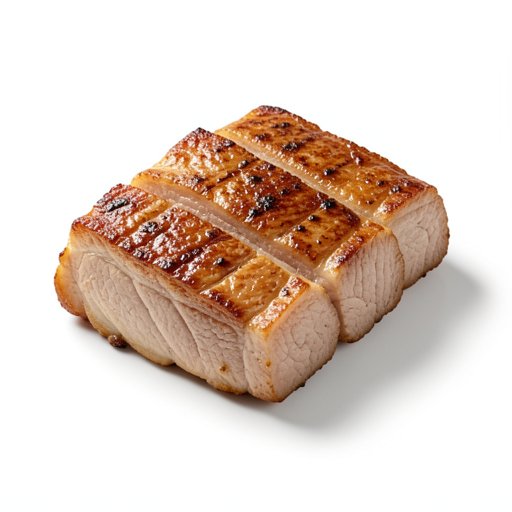
Chashu
1 pc
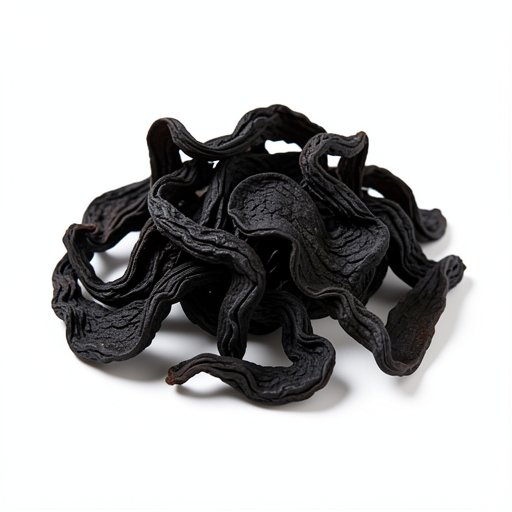
Black Fungus
1 pc
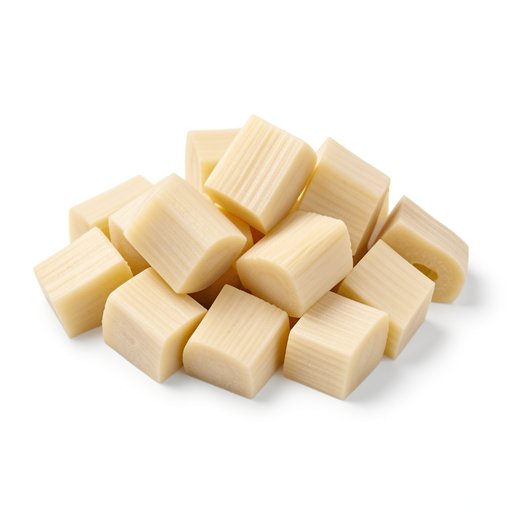
Menma
1 pc
FOR ASSEMBLY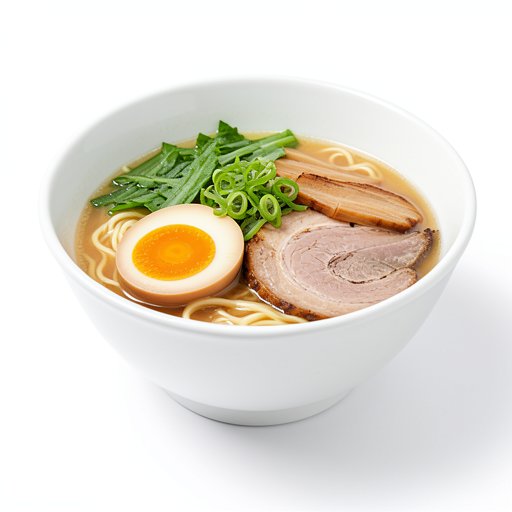
Ramen Sauce
30 ml
Noodles
130 g
Soup
300 ml
Equipment
Kitchen Torch
Instructions
1Cook the Chashu 2h
2h
2hInitial Boil
Place pork belly in a cooking pot. Add 300ml of water and 100ml of cooking sake. Start stove at medium heat and bring to a boil. Remove scum and continue to boil for 10 minutes. Turn the meat and boil for another 10 minutes.
Overnight Infusion
Stop the heat, cover the pot, and leave it at room temperature overnight.
Braise the Chashu
The next day, remove the solidified oil from the surface of the pot. Add 3 pieces of ginger, 70ml of koikuchi shoyu, 30ml of mirin, and 2 tbsp of sugar. Start the stove at medium heat. Turn the meat to marinate evenly. The sauce will caramelize and the meat will become braised with a sheen. Cover the pot and continue to simmer until done.
2Prepare the Ramen Sauce (Tare)1h
1hMussel Dashi
Add 250ml of water into a pot and add 200g of mussels. Boil at medium heat until only 150ml of liquid remains. Strain the resulting dashi.
Combine Sauce Ingredients
Add the mussel dashi back into the pot. Add 100ml of light shoyu, 30ml of koikuchi shoyu, 20ml of Thai fish sauce, 50ml of hon mirin, 30ml of cooking sake, 20ml of apple vinegar, 50g of sake kasu, 1 tbsp of honey, and 10g of sea salt. Start the stove and stir to mix.
Simmer and Infuse
When the sauce is evenly mixed, continue to heat until it boils. Stop the heat, add 1pc of rishiri kombu, and store overnight in the refrigerator.
3Make the Tonkotsu Soup 10h
10h
10hInitial Boil
Add 1.7kg of pork bones and 2pcs of pork leg into a large pot with 2.8L of water. Start the stove at high heat and bring to a boil. Remove scum and continue boiling at high heat for 20 minutes.
First Simmer
Switch to low heat and simmer for 2 hours. Pour out about 90% of the soup into a separate pot and set aside. Add water until the liquid level is back to the original.
Second Boil
Add 1pc of pork fat into the pot. Start the stove at high heat and continue boiling for 90 minutes. If the pork is no longer covered in water, add more water and continue to boil. The soup should become milky and white.
Emulsify and Finish
Take about half of the reserved soup from earlier and add it to the boiling pot. Boil for about 30 minutes. Add the remaining half of the reserved soup and continue to boil for another 30 minutes. Continue boiling for about 40 minutes more, or longer for a creamier soup. Strain the soup.
4Prepare the Noodles 40m
40m
40mMix Dough Ingredients
Stir well to mix 90ml of water with 3g of kansui and 3g of salt. Slowly add 300g of ramen flour and stir in the liquid mixture until a dough forms.
Rest and Roll
Place the dough into a ziplock bag and let it rest for 40 minutes. Then, flatten the dough with a rolling pin.
Cut Noodles
Cut the dough into thin noodles, as thin noodles are best for tonkotsu ramen.
5Prepare the Toppings 10m
10m
10mChop and Sear
Cut the spring onions. Using a kitchen torch, scorch the sliced chashu (aburi chashu).
Ready Toppings
Ensure spring onions, sliced black fungus, menma, and aburi chashu are prepared.
6Assemble the Ramen 5m
5m
5mHeat Sauce and Soup
In a serving bowl, add 30ml of ramen sauce. Heat 300ml of the tonkotsu soup.
Cook Noodles
Boil 130g of noodles for 1 minute.
Combine and Serve
Drain the noodles and add them to the bowl with the ramen sauce. Pour the hot tonkotsu soup over the noodles. Arrange the prepared toppings on top.
Tips
For a truly authentic Hakata-style tonkotsu, use a combination of pork femur, back bones, and trotters.
A hard rolling boil for an extended period is crucial to achieve the emulsified, creamy texture of the broth.
Thin, straight noodles are traditional for tonkotsu ramen as they absorb the rich broth effectively.