
Oyakodon (Chicken and Egg Rice Bowl)
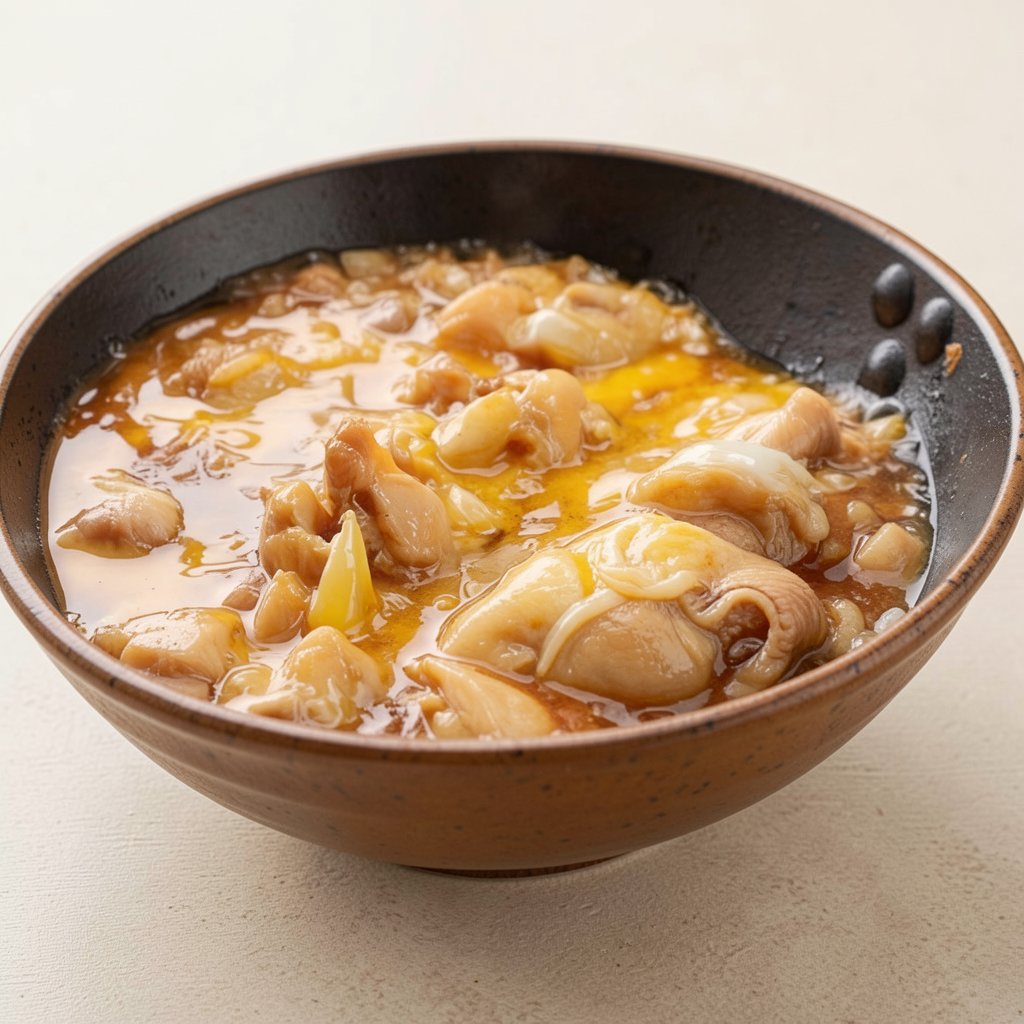
A classic Japanese comfort food featuring tender chicken and a runny egg simmered in a savory-sweet sauce over rice.
50m1Servings
Nutrition
391kcal
44gProtein
15gCarbs
16gFat
Ingredients
OYAKODON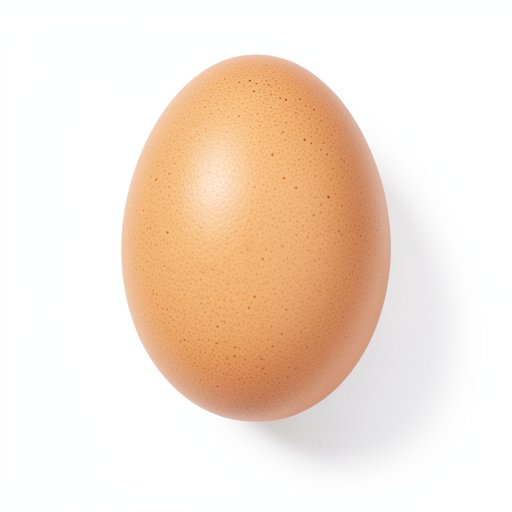
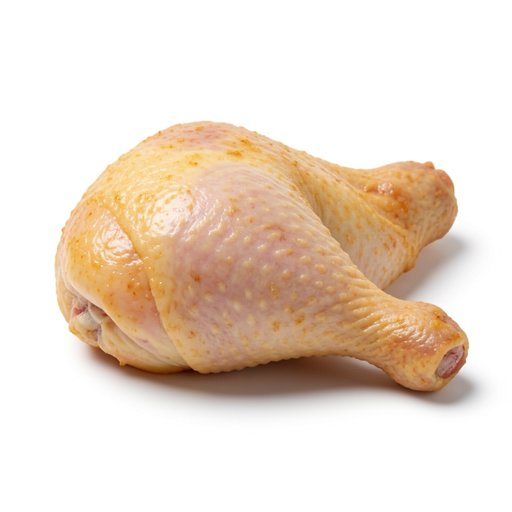
Chicken Thigh
150 g
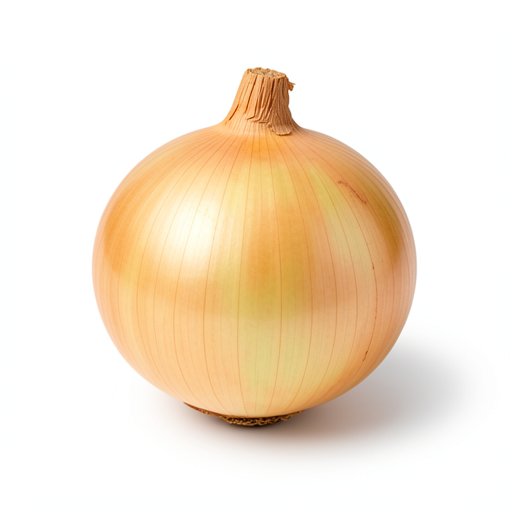
Onion
0.5 piece
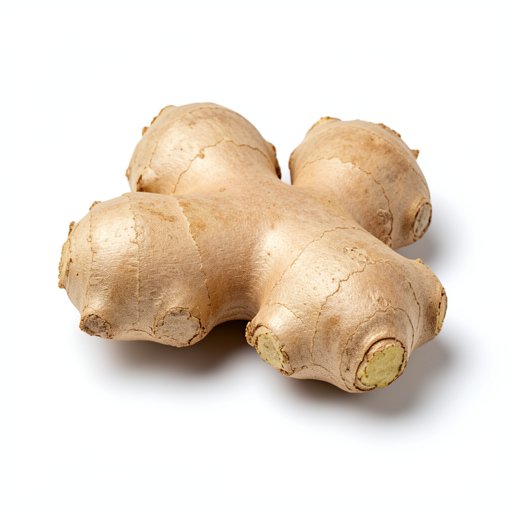
Ginger
5 g
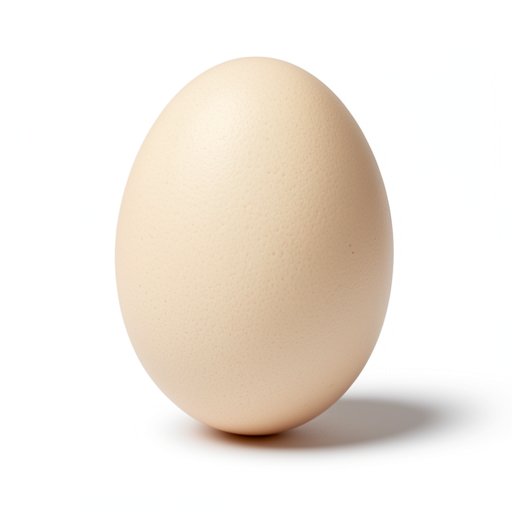
Egg
2 pieces
SAUCE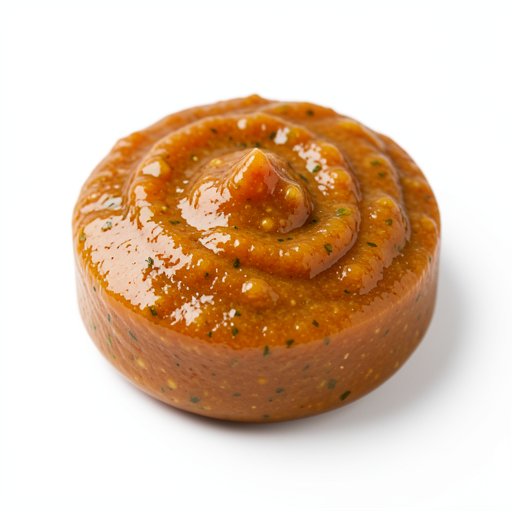
Water
50 ml
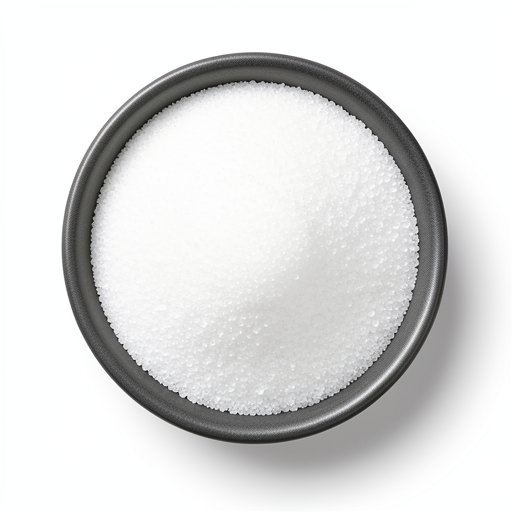
Sugar
5 g
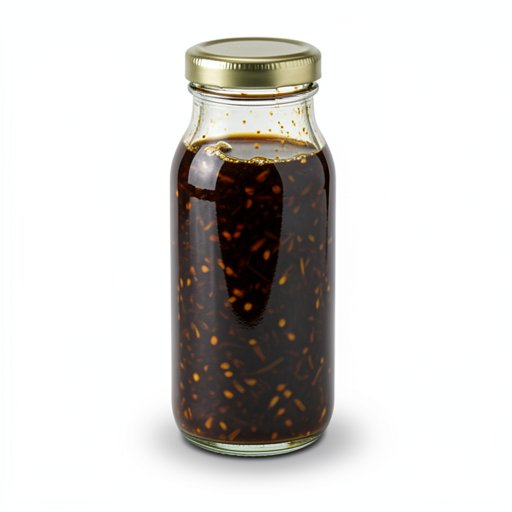
Soy Sauce
20 ml

Sake
10 ml
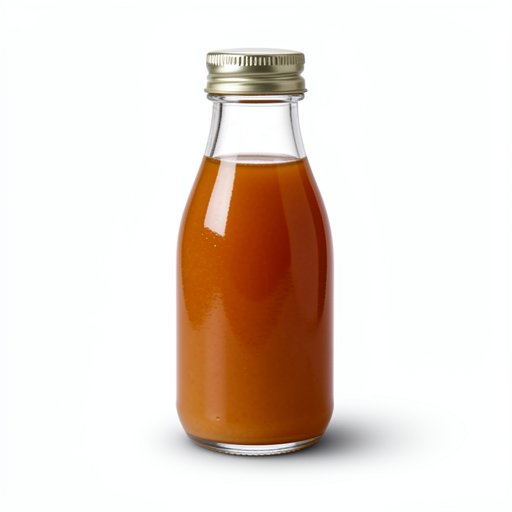
Mirin
5 ml
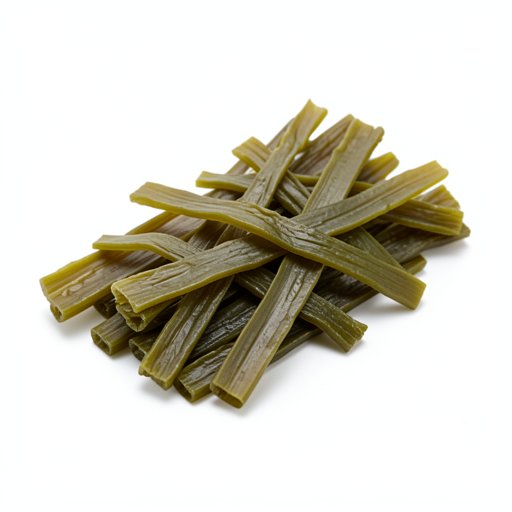
Kombu
1 g
Instructions
1Prepare Ingredients 10m
10m
10mCut Chicken
Cut the chicken thigh into 1-2 cm cubes.
Slice Onion
Cut the onion into 1cm thick slices.
Mince Ginger
Finely mince the peeled ginger.
Whisk Eggs
Whisk the eggs about 70-80% of the way, leaving some streaks of white and yolk visible for a marbled effect.
2Marinate Chicken
Combine Sauce
In a small bowl, mix together water, sugar, soy sauce, sake, mirin, and kombu.
Soak Chicken
Add the cubed chicken to the sauce mixture and let it soak for 30-40 minutes.
3Cook Aromatics and Onion 7m
7m
7mHeat Pan
Place a small, cold pan on the stovetop. Add a little vegetable oil and the minced ginger.
Cook Ginger
Cook the ginger over low heat until it becomes aromatic.
Add Onion
Add the sliced onion to the pan and cook over medium heat for 3-4 minutes until slightly softened.
Cool Onion
Remove the pan from the heat and let the onion mixture cool for 5-6 minutes.
4Simmer Chicken and Add Egg 10m
10m
10mCook Chicken
Return the pan to low heat. Add the marinated chicken and sauce mixture (discard the kombu). Simmer gently for 7-8 minutes, or until the chicken is cooked through and bouncy. Avoid overcooking.
Increase Heat
Before adding the egg, turn the heat up to medium-high.
Add Egg
Pour the partially whisked egg evenly over the chicken and onion mixture. Let it set for a few seconds.
Gently Stir
Gently stir the egg mixture, similar to making scrambled eggs, to create ribbons of cooked egg. Turn off the heat as soon as the egg is mostly set but still slightly runny.
5Serve 1m
1m
1mPlate
Immediately slide the contents of the pan directly over a bowl of hot cooked rice.
Tips
The key to a perfectly runny egg is to gently stir it and turn off the heat while it's still slightly undercooked, as it will continue to cook from residual heat.
Heating the pan slowly when cooking the kombu helps to maximize the development of its umami flavor.
Using a small pan allows for easy transfer of the finished dish directly onto the rice, creating a neat presentation.