
Marcella Hazan's Pesto Pasta
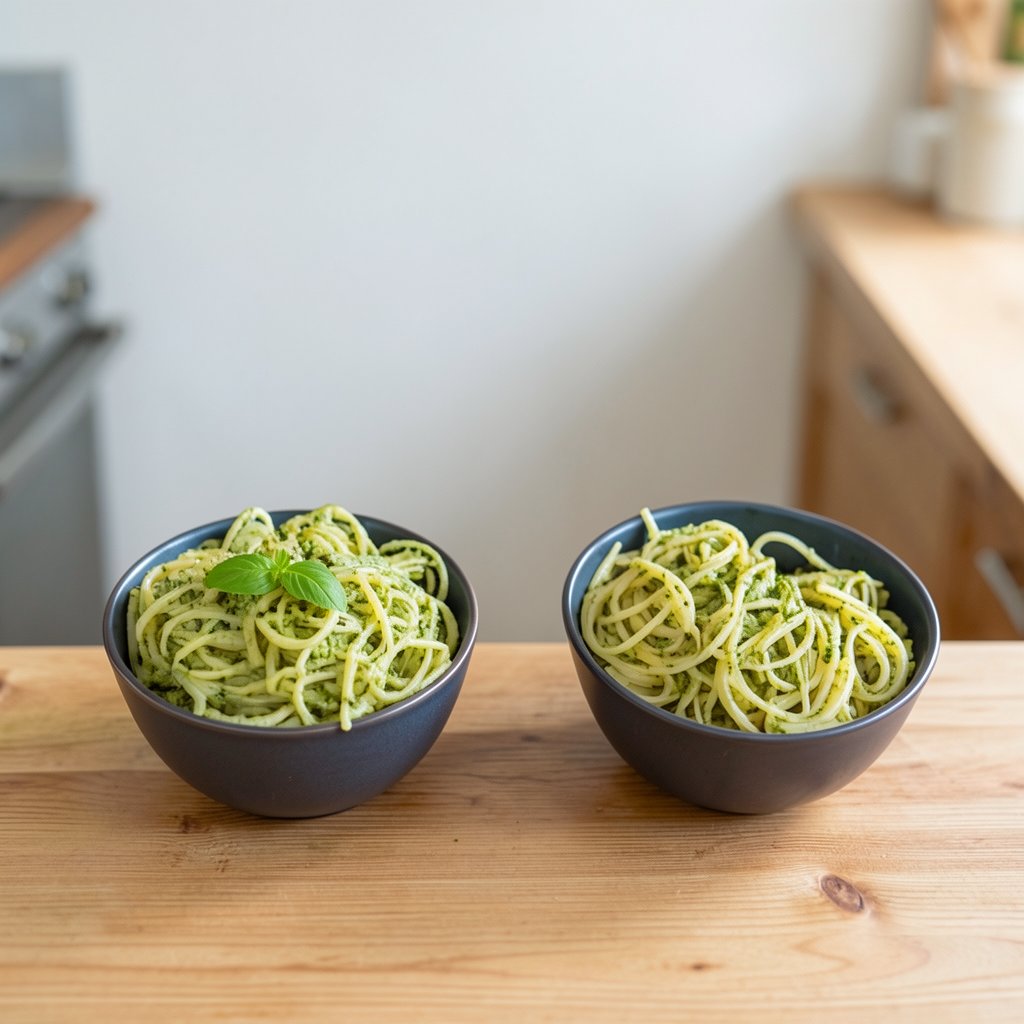
A classic pesto pasta recipe made with a mortar and pestle for superior flavor and texture, using bronze-cut pasta.
30m4Servings
Nutrition
579kcal
22gProtein
55gCarbs
30gFat
Ingredients
PESTO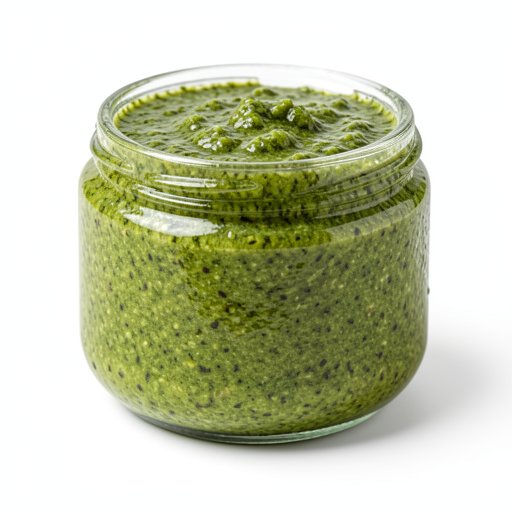
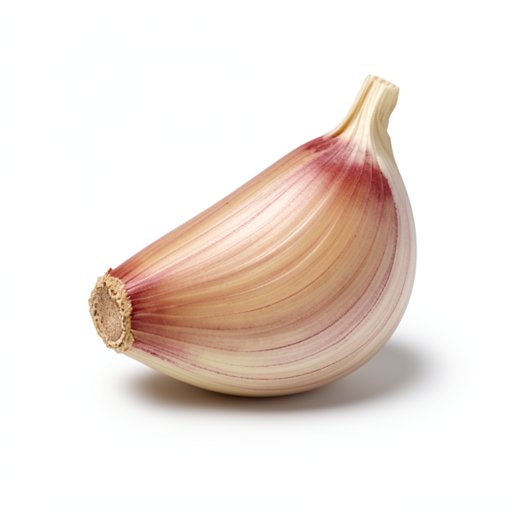
Garlic
2 cloves
Salt
to taste
to_taste
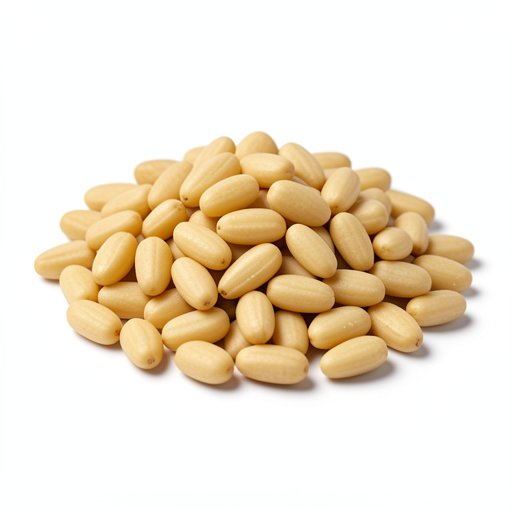
Pine Nuts
20 g
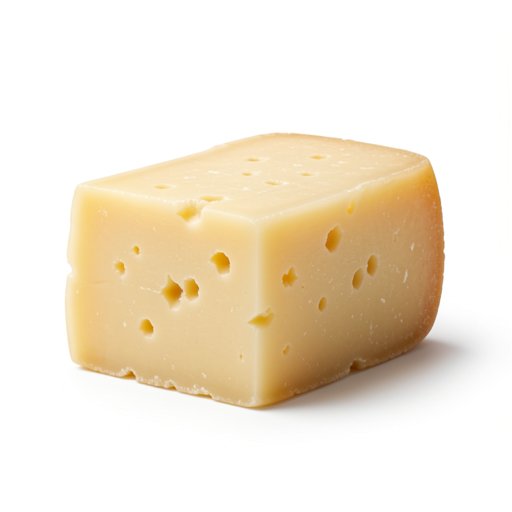
Parmesan Cheese
30 g
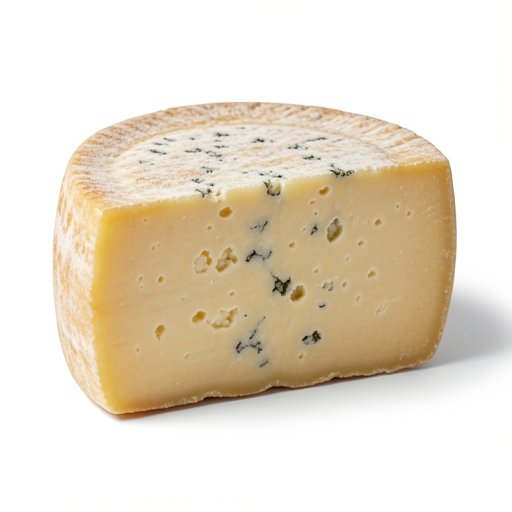
Pecorino Romano Cheese
10 g
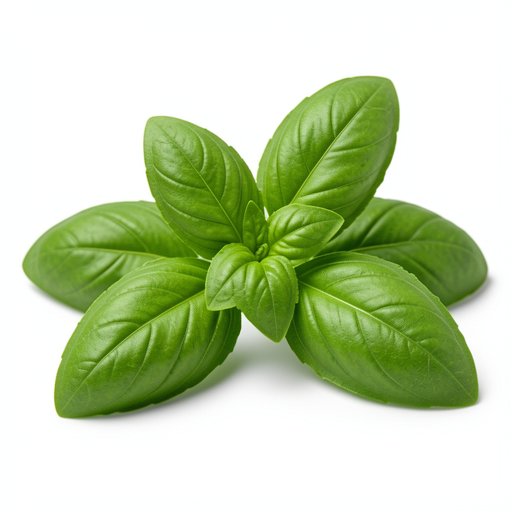
Fresh Basil Leaves
1½ cups
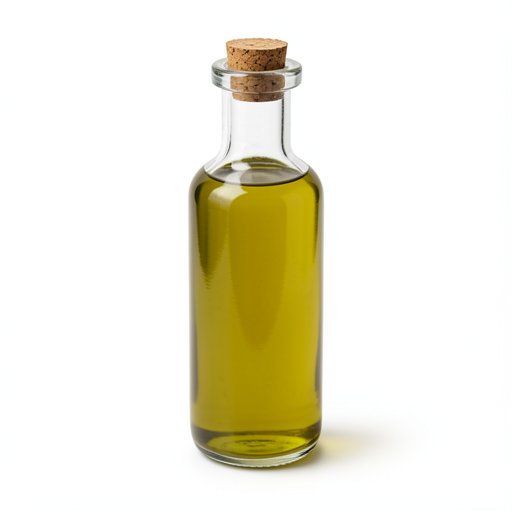
Olive Oil
75 ml
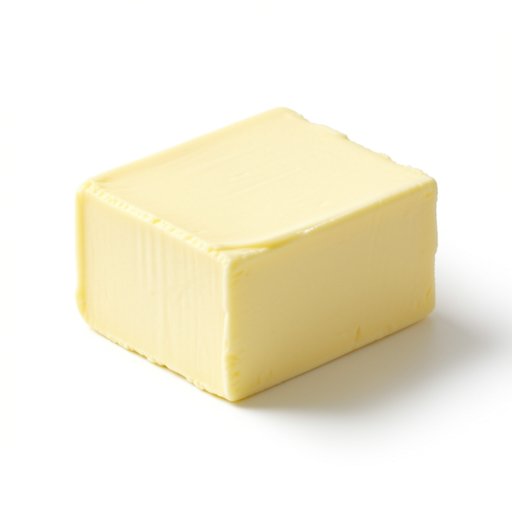
Unsalted Butter
28 g
PASTA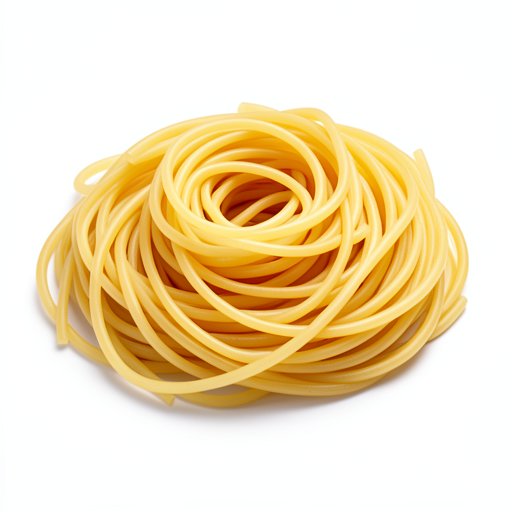
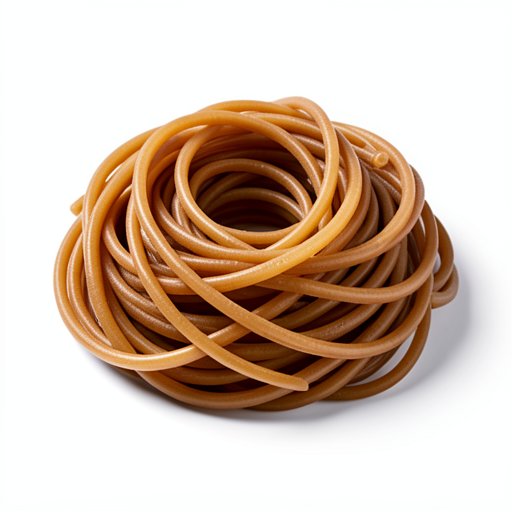
Bronze Cut Spaghetti
320 g
Salt
to taste
to_taste
Equipment

Mortar and Pestle
Instructions
1Prepare the Pesto 15m
15m
15mMash Garlic and Salt
Peel and add 2 cloves of garlic and a pinch of salt to the mortar. Mash with the pestle until it forms a rough paste.
Add Pine Nuts and Cheese
Add 20g of pine nuts, 30g of grated Parmesan cheese, and 10g of grated Pecorino Romano cheese. Grind these ingredients into the garlic paste.
Incorporate Basil
Add about 1.5 cups of packed fresh basil leaves to the mortar. Use the pestle with a circular motion to grind the basil against the sides of the mortar until it is finely chopped and incorporated.
Emulsify with Oils
Slowly drizzle in 75ml of olive oil while continuously stirring with a spoon or spatula to emulsify the pesto. Then, add 28g of unsalted butter and stir until fully incorporated, creating a creamy texture.
2Cook the Pasta 15m
15m
15mBoil Water
Bring a large pot of water to a rolling boil over high heat.
Salt the Water
Once boiling, add a generous pinch of salt (about 10g per liter of water) to the water.
Cook Pasta
Add 320g of bronze-cut spaghetti to the boiling water. Cook according to package directions until al dente. Reserve about 1/2 cup of pasta water before draining.
Drain Pasta
Drain the pasta in a colander, but do not rinse.
3Combine and Serve 5m
5m
5mToss Pasta with Pesto
Transfer the drained pasta to a large bowl. Add the prepared pesto to the pasta. Add a few tablespoons of the reserved pasta water to help loosen the pesto and create a cohesive sauce.
Mix Thoroughly
Use a fork or tongs to toss the pasta and pesto together until every strand is evenly coated. Add more pasta water if needed to achieve a glossy, emulsified sauce that clings to the pasta.
Plate and Garnish
Serve the pesto pasta immediately in bowls. Garnish with fresh basil leaves, grated Parmesan, or chopped tomatoes if desired.
Tips
For the best flavor, use fresh, high-quality basil and bronze-cut pasta, which holds sauce better.
Never cook or heat pesto; it loses its fresh, vibrant flavor compounds.
The butter in the pesto acts as an emulsifier, creating a creamier sauce that clings better to the pasta.
The texture of the pasta matters; bronze-cut pasta has a rougher surface that allows the pesto to adhere more effectively.