
Kimchi (Pogi-kimchi / Tongbaechu Kimchi)
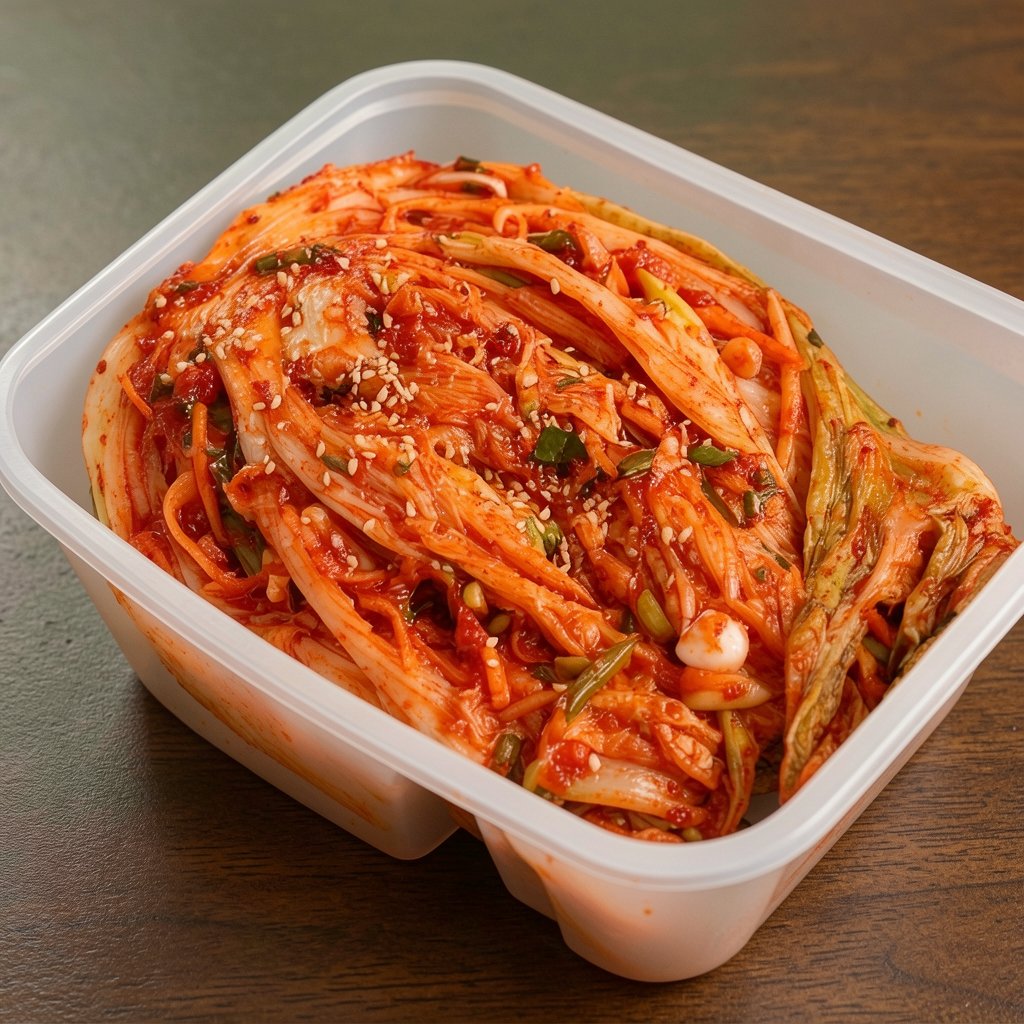
A traditional Korean kimchi recipe, also known as pogi-kimchi or tongbaechu kimchi, made with napa cabbage and a flavorful paste.
3h4Servings
Nutrition
298kcal
19gProtein
48gCarbs
9gFat
High Fiber
Ingredients
KIMCHI PASTE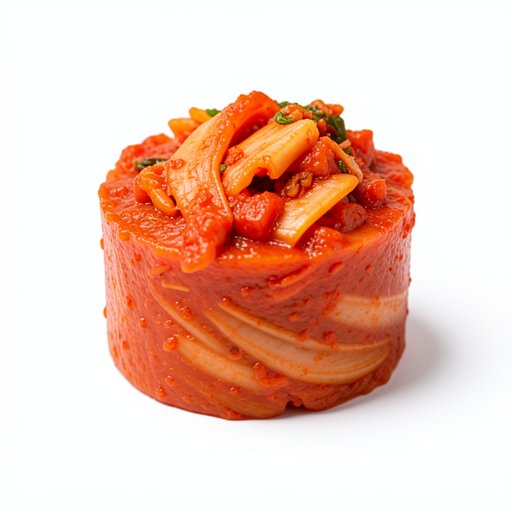
Water
2 cups
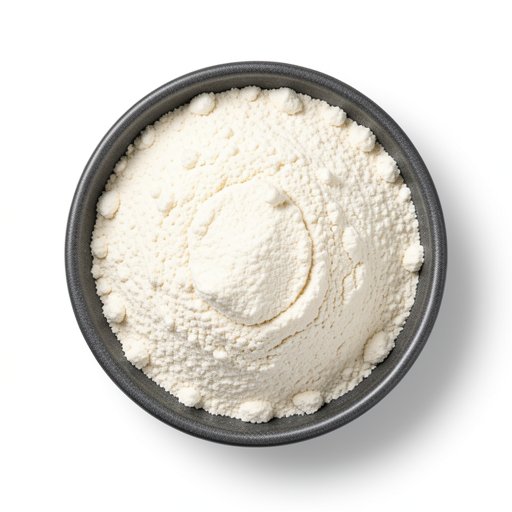
Sweet Rice Flour
Mochiko or glutinous rice flour
2 tbsp
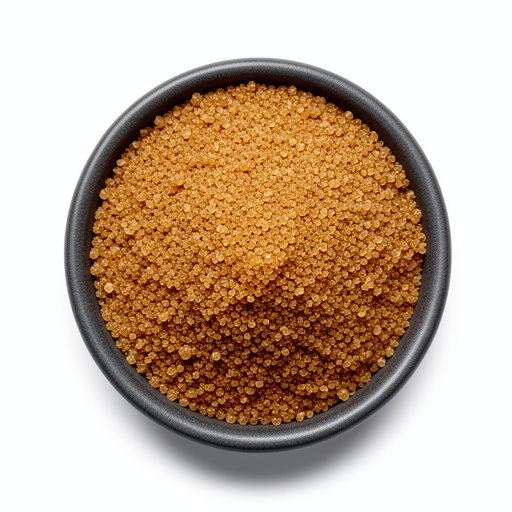
Brown Sugar
2 tbsp
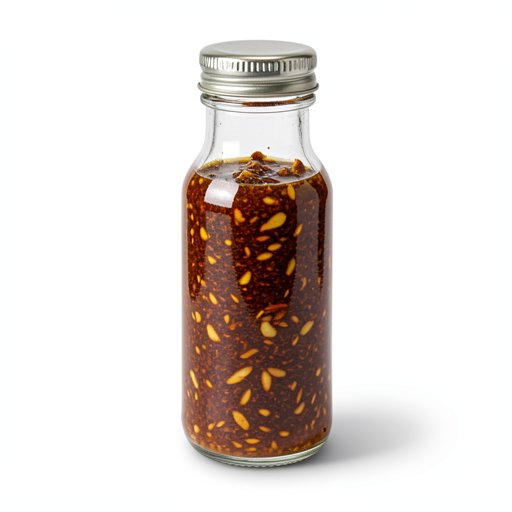
Fish Sauce
Saeujeot (fermented salted shrimp) can be substituted
½ cup
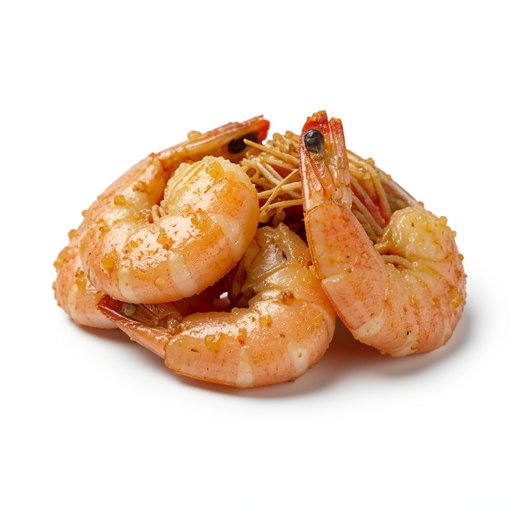
Fermented Salted Shrimp
Squeezed to extract juice
¼ cup
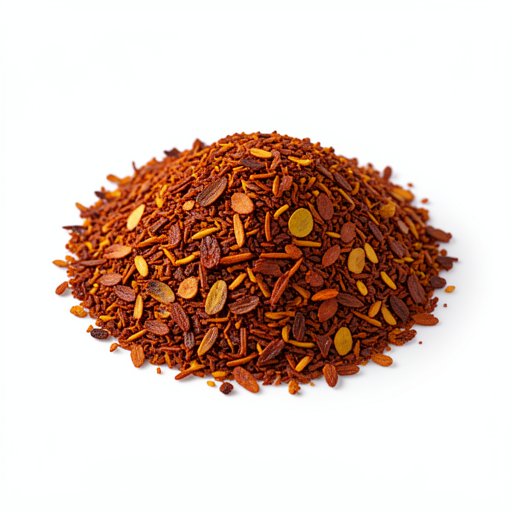
Gochugaru
2 cups
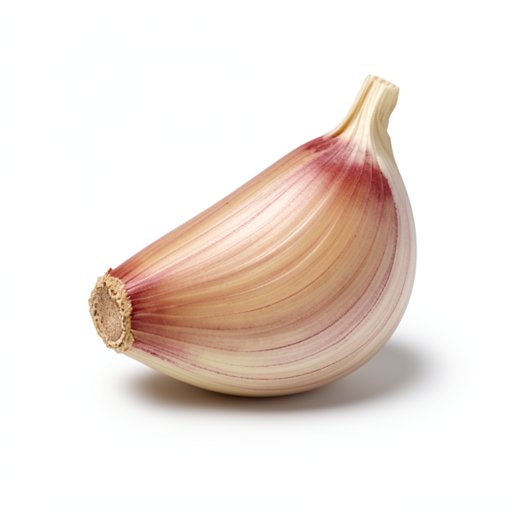
Garlic
24 cloves
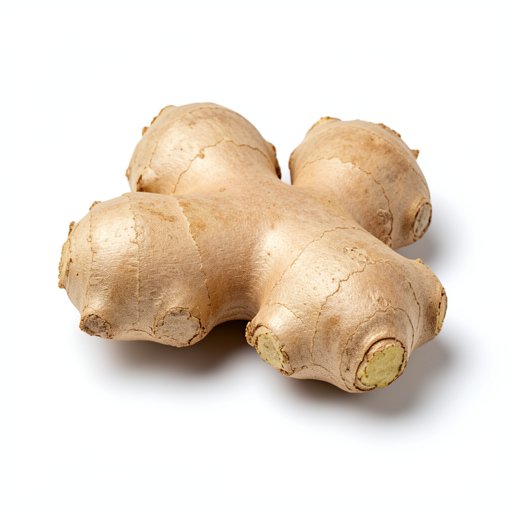
Ginger
Minced
2 tsp
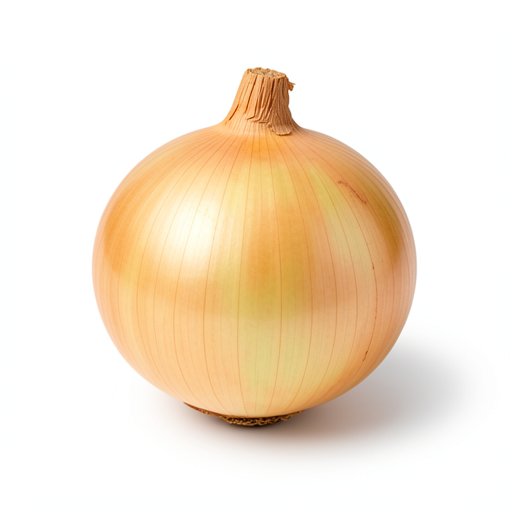
Onion
Chopped
1 whole
KIMCHI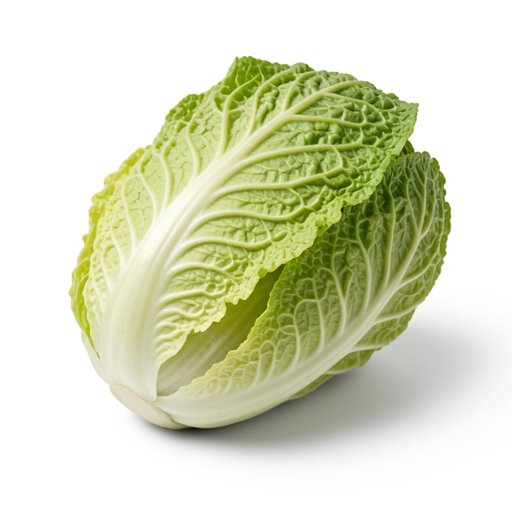
Napa Cabbage
6 lb
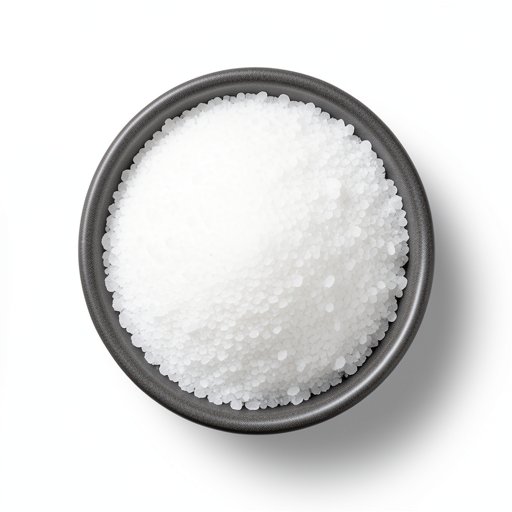
Kosher Salt
For salting cabbage
½ cup
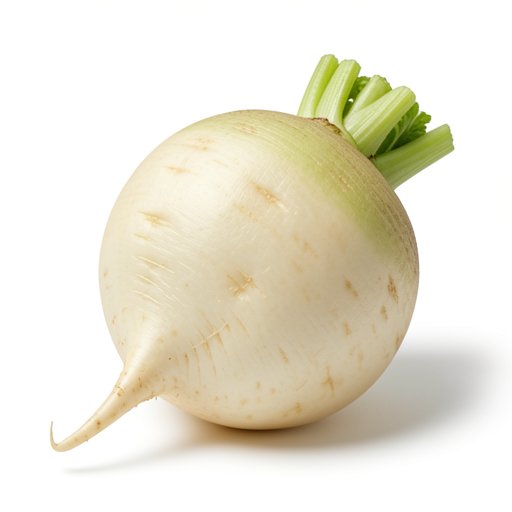
Korean Radish
Julienned
2 cups

Carrot
Julienned
1 cup
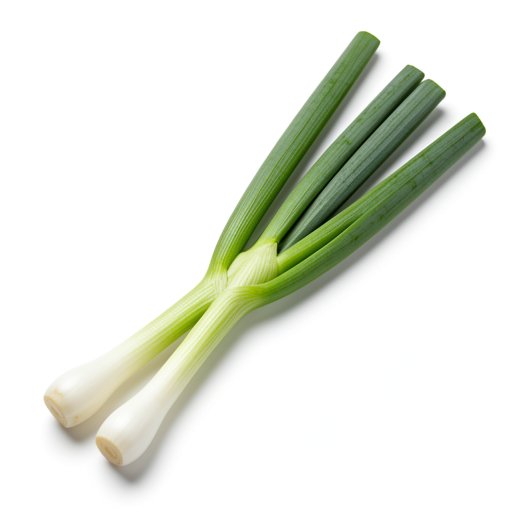
Green Onion
Chopped
1 cup
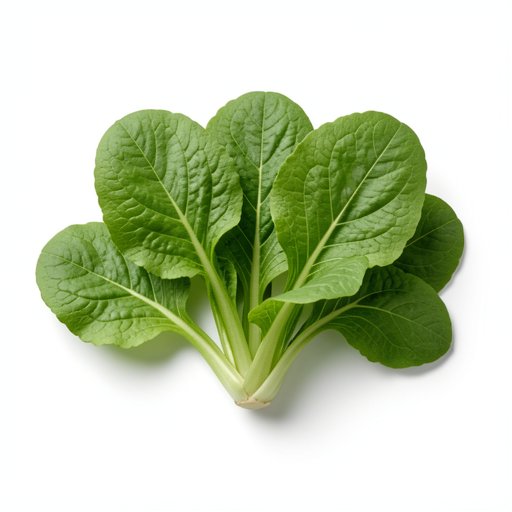
Asian Chives
OptionalMinari (Korean water parsley) or buchu (garlic chives) can be used. Chopped.
½ cup
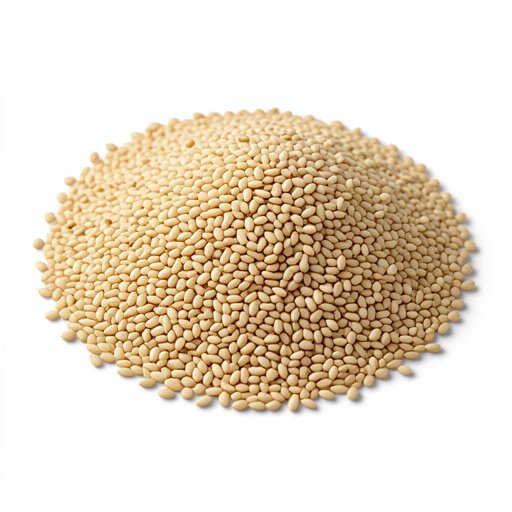
Sesame Seeds
Toasted
2 tbsp
Equipment

Food Processor
Instructions
1Prepare the Kimchi Paste 15m
15m
15mMake the Rice Flour Slurry
In a medium pot, combine 2 cups of water and 2 tbsp of sweet rice flour. Whisk until smooth. Add 2 tbsp of brown sugar. Turn heat to medium and cook, whisking constantly, until the mixture thickens and becomes translucent, about 5-7 minutes. Remove from heat and let it cool completely.
Process Aromatics
In a food processor, combine 1/2 cup fish sauce, 1/4 cup fermented salted shrimp juice, 2 cups gochugaru, 24 cloves garlic, 2 tsp minced ginger, and 1 chopped onion. Process until smooth to create the kimchi paste.
Combine Paste Ingredients
Pour the cooled rice flour slurry into the food processor with the kimchi paste. Mix well.
2Prepare the Cabbage 1h 30m
1h 30mCut the Cabbage
Cut each napa cabbage head in half lengthwise, then cut each half in half again, creating quarters. Trim off the tough core at the bottom.
Salt the Cabbage
In a large basin or sink, sprinkle 1/2 cup of kosher salt between each cabbage leaf. Let it sit for 30 minutes, then turn the cabbage over and let it sit for another 30 minutes. The cabbage should become wilted and soft.
Rinse and Drain
Rinse the salted cabbage leaves thoroughly under cold running water 2-3 times to remove excess salt. Gently squeeze out excess water. Let the cabbage drain well.
3Prepare Other Vegetables 20m
20m
20mJulienne Radish and Carrot
Peel and julienne 2 cups of Korean radish and 1 cup of carrot.
Chop Green Onions and Chives
Chop 1 cup of green onions and 1/2 cup of Asian chives (or other optional herbs like minari or buchu).
4Mix the Kimchi 15m
15m
15mCombine Vegetables and Paste
In a large bowl, combine the julienned radish, carrot, chopped green onions, and optional chives. Add the prepared kimchi paste. Mix everything thoroughly with your hands (wear gloves!) until all vegetables are evenly coated.
Season the Kimchi
Add 2 tbsp of toasted sesame seeds to the kimchi mixture and mix again.
Pack the Kimchi
Pack the kimchi tightly into an Onggi (traditional Korean fermentation jar) or a large airtight container. Press down firmly to remove air pockets. Leave about an inch of space at the top.
5Ferment the Kimchi 1 day
1 day
1 dayInitial Fermentation
Leave the kimchi at room temperature for 1-2 days to begin fermentation. You will see bubbles and it will smell sour. Then, transfer it to the refrigerator to continue fermenting slowly.
Storage
Kimchi can be eaten fresh (geotjeori) or fermented. It will continue to ferment in the refrigerator, developing a deeper flavor over time. It can be stored for months.
Tips
Wear gloves when mixing the kimchi paste, as gochugaru can irritate your skin.
The amount of gochugaru can be adjusted to your spice preference.
Ensure the cabbage is well-drained after rinsing to prevent watery kimchi.
Pressing the kimchi down firmly in the container helps to remove air pockets and promote proper fermentation.