
Ethiopian Injera
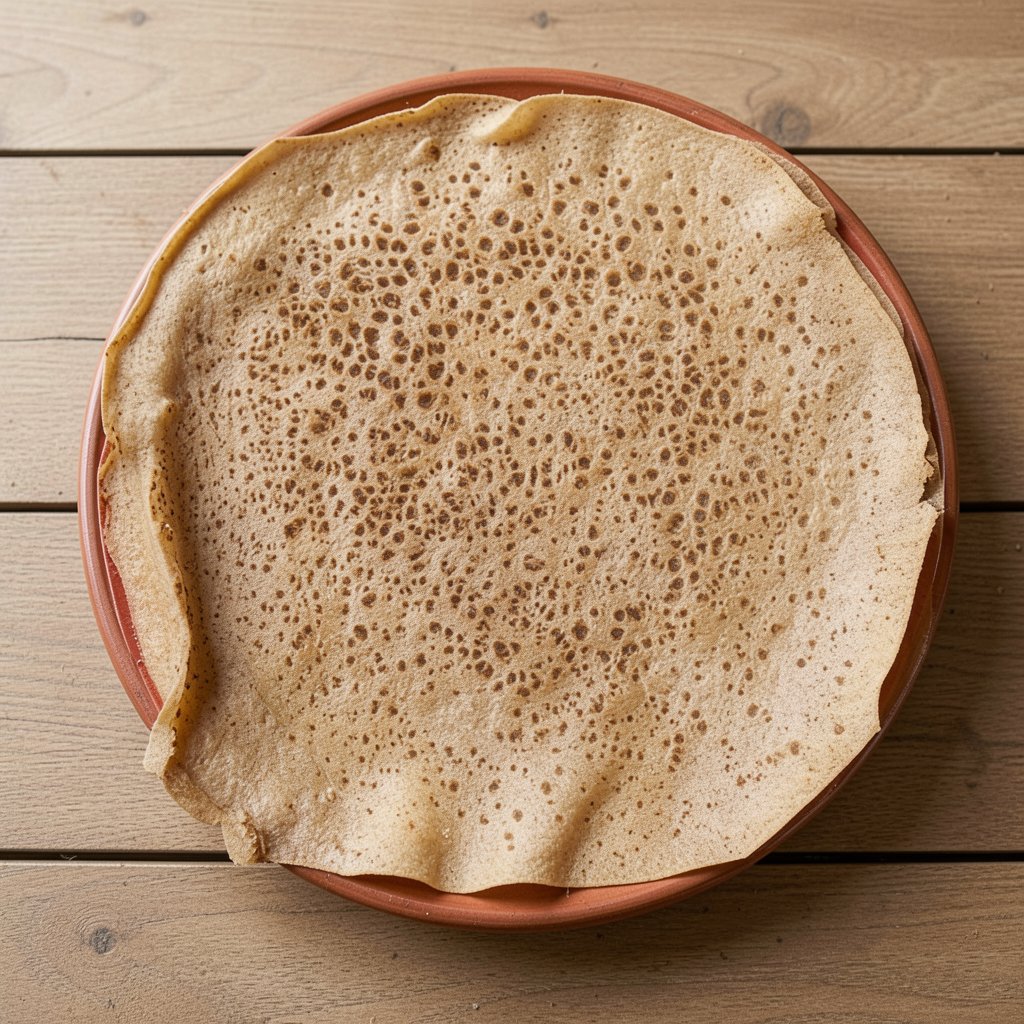
A traditional Ethiopian sourdough flatbread made from teff and barley flour, fermented for three days and cooked on a griddle.
3 days4Servings
Nutrition
332kcal
4gProtein
79gCarbs
1gFat
High Fiber
Ingredients
STARTER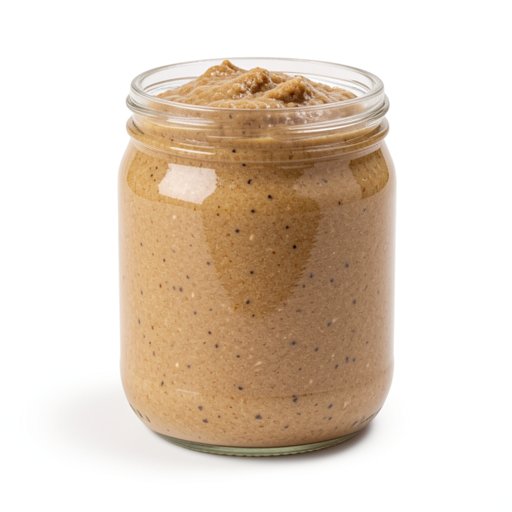
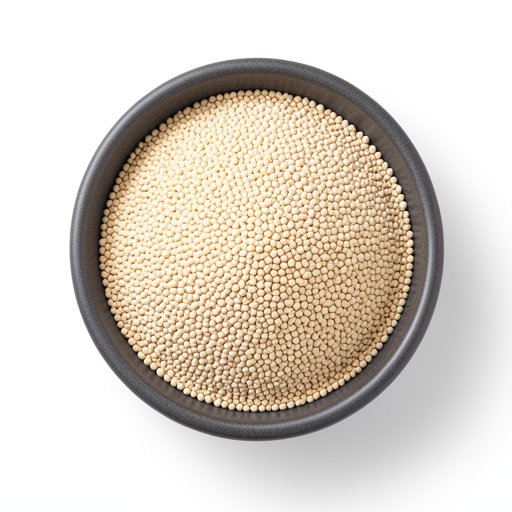
Active Dry Yeast
¼ tsp
Salt
1 tsp
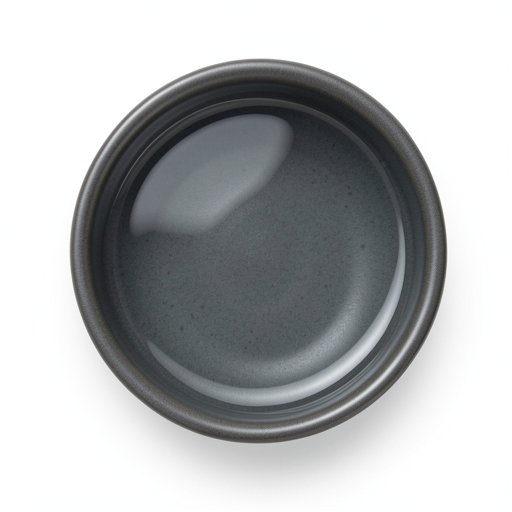
Water
1 cup
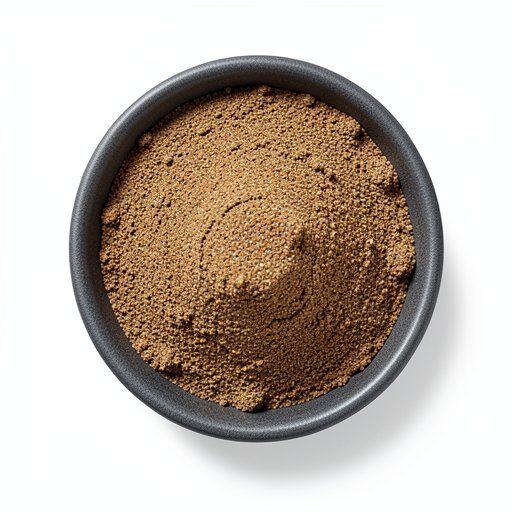
Teff Flour
2 cups
DOUGH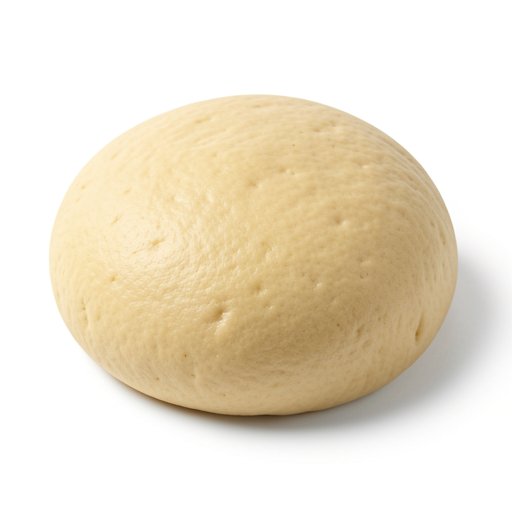
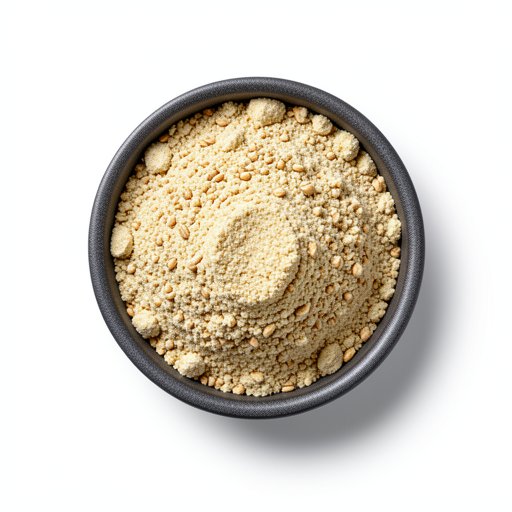
Barley Flour
1 cup
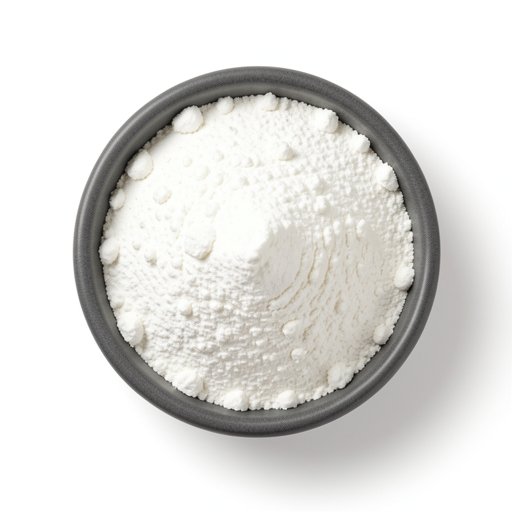
Baking Powder
½ tsp
Salt
1 tsp
Water
2 cups
Equipment

Fine Mesh Sieve
Instructions
1Prepare the Starter 5m
5m
5mCombine Yeast and Salt
In a large bowl, combine 1/4 tsp active dry yeast and 1 tsp salt.
Add Water and Teff Flour
Pour in 1 cup of water and add 2 cups of teff flour. Whisk until smooth.
Mix and Ferment
Cover the bowl and let it sit at room temperature for 3 days. Water formation on top is a good sign of fermentation.
2Prepare the Dough 10m
10m
10mAdd Barley Flour
After 3 days, sift 1 cup of barley flour into the starter. Mix well.
Add Water Gradually
Slowly add 1/2 cup of water at a time, mixing until the batter reaches a consistency thicker than a crepe but thinner than a pancake. In total, it should be about 2 cups of water.
Add Baking Powder and Salt
Stir in 1/2 tsp baking powder and 1 tsp salt.
Final Mix
Mix until well combined. The consistency should be smooth and pourable.
Second Fermentation
Cover the bowl and let it sit for another 2 days at room temperature.
3Cook the Injera 3m
3m
3mHeat the Pan
Heat a non-stick griddle or large non-stick frying pan over medium-high heat (around 360°F / 180°C).
Pour the Batter
Pour about 1/2 cup of batter into the hot pan, spreading it thinly in a circular motion, similar to making a crepe.
Cook and Steam
Once small holes start to appear on the surface, cover the pan with a lid to steam for about 2-3 minutes, or until the injera is cooked through and the surface is no longer wet.
Remove from Pan
Carefully remove the injera from the pan using a spatula and place it on a plate. Repeat with the remaining batter.
Tips
Ensure your water is lukewarm when activating the yeast for the starter.
The fermentation process is key to injera's unique tangy flavor and spongy texture.
Don't overmix the batter once the barley flour and other ingredients are added; you want to preserve the fermentation.
The ideal consistency of the batter is crucial; it should be thin enough to spread easily but thick enough to form a cohesive crepe.