
Classic Shoyu Ramen
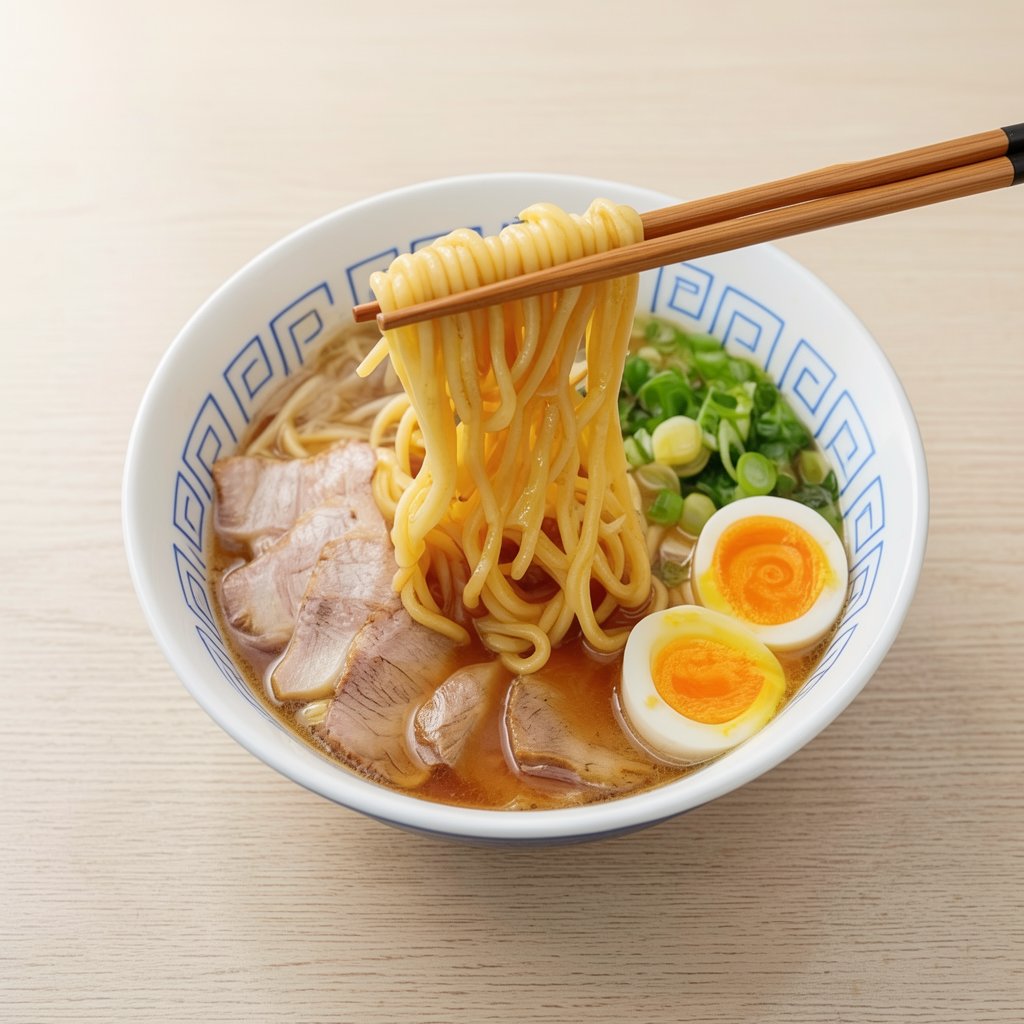
A rich and flavorful homemade Shoyu Ramen with a deep pork broth and tender chashu pork.
5h 30m11Servings
Nutrition
751kcal
74gProtein
14gCarbs
41gFat
Ingredients
RAMEN BROTH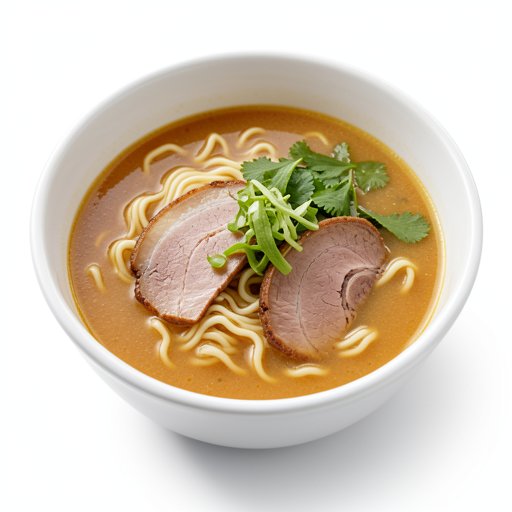
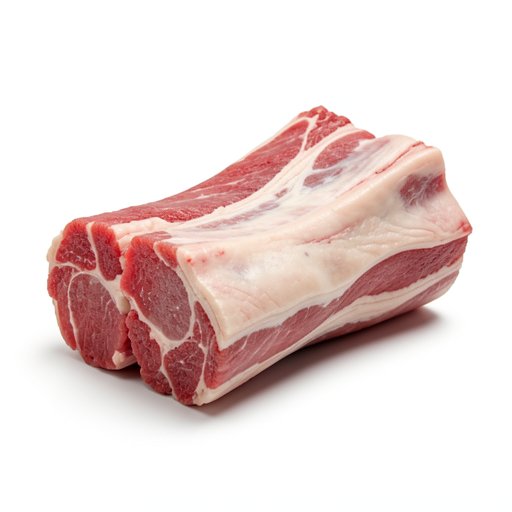
Pork Neck Bones
6 lb
Water
24 cups
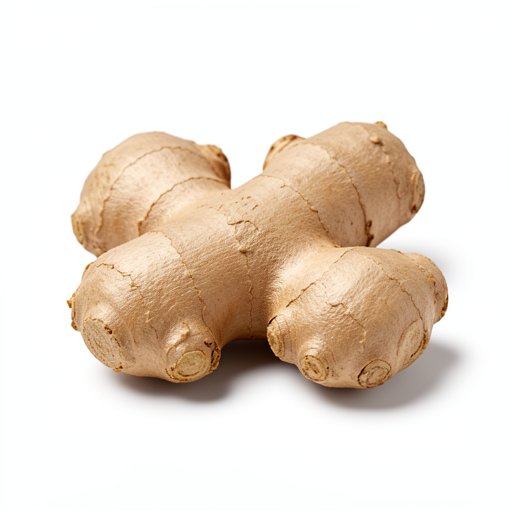
Ginger
sliced
2 pieces
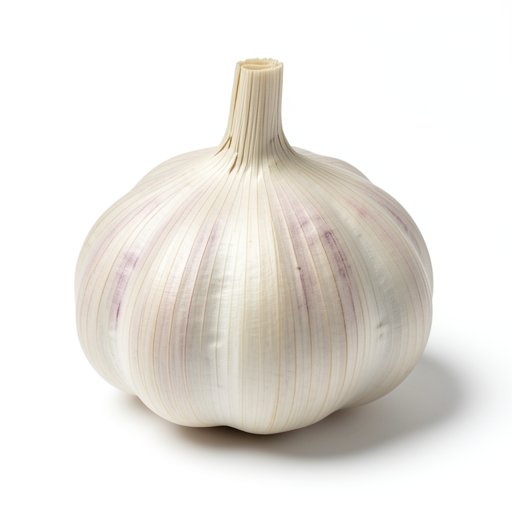
Garlic Bulbs
cut in half
2 whole
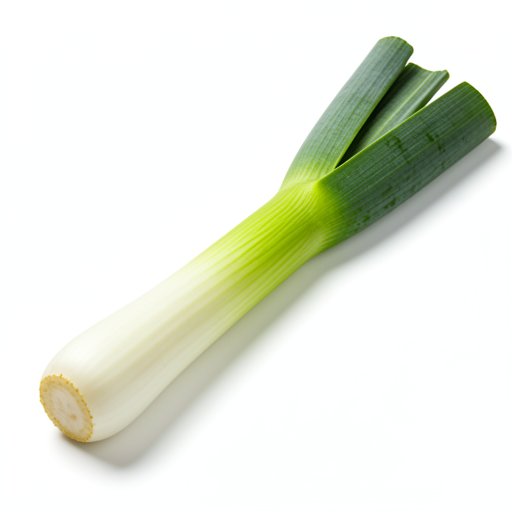
Leek
cut in half, washed thoroughly
1 whole
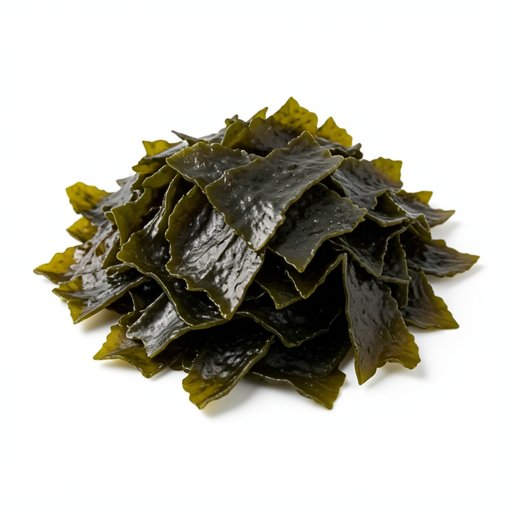
Kombu
about 6x6 inch piece, wiped clean
0.5 piece
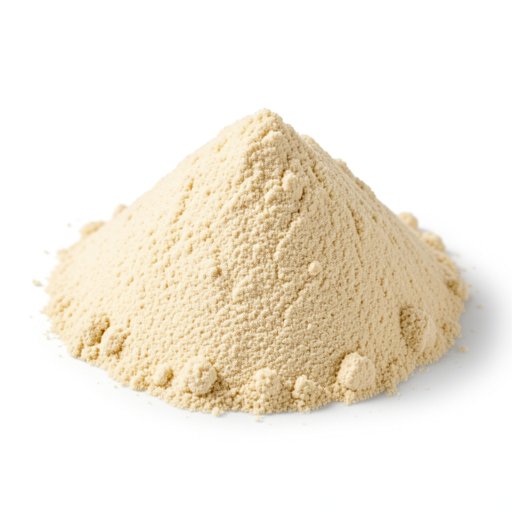
Chicken Powder
1½ tbsp
CHASHU PORK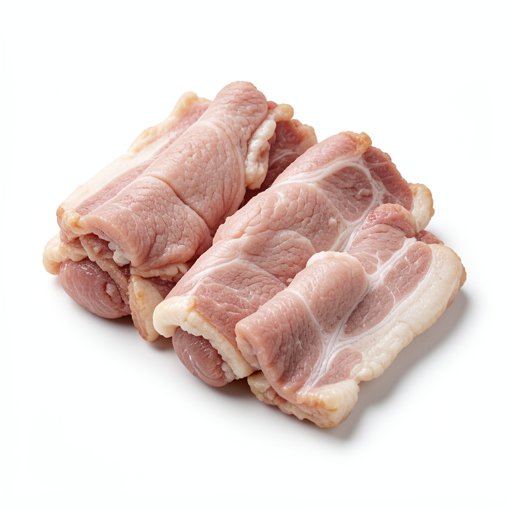
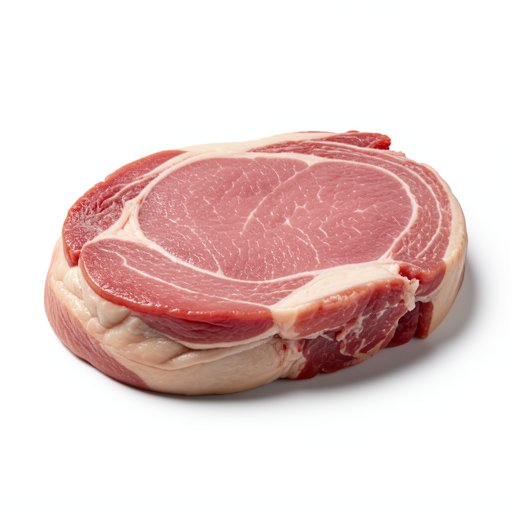
Pork Shoulder
2 lb
Water
10 cups
Ginger
sliced
1 piece
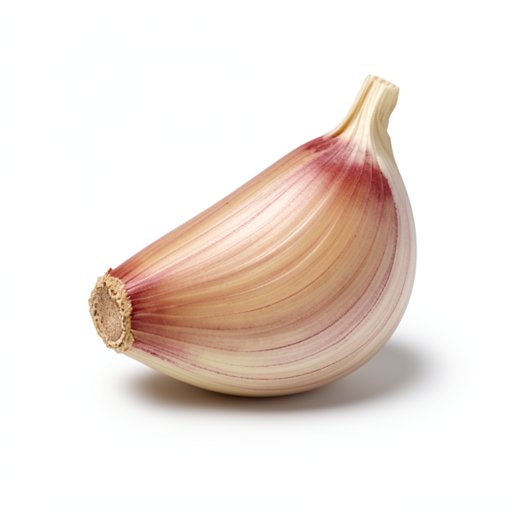
Garlic
4 cloves
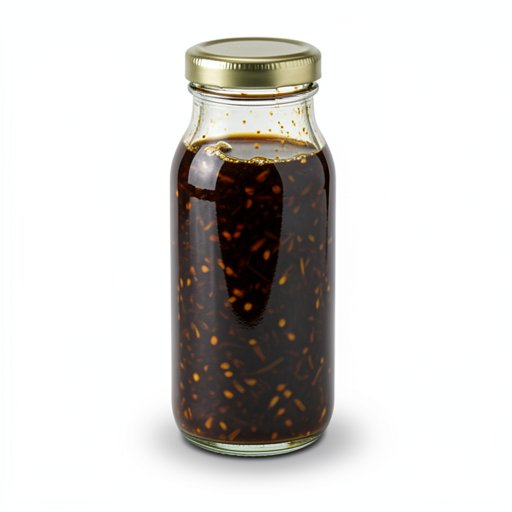
Soy Sauce
1½ cups

Sake
¾ cup
Mirin
½ cup
Sugar
¼ cup
TARE (RAMEN SEASONING)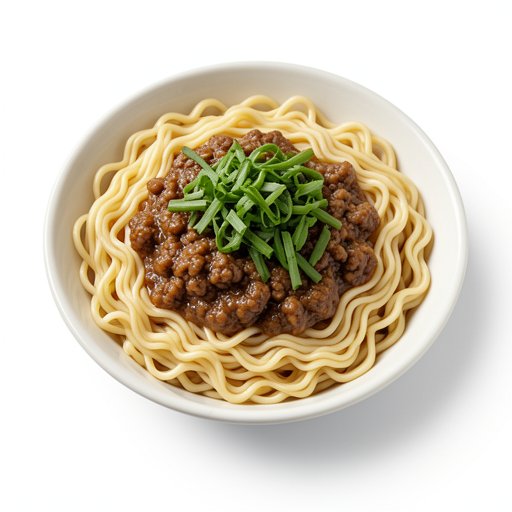
Soy Sauce
1½ cups
Sake
¾ cup
Mirin
½ cup
Ginger
thinly sliced
1 piece
Garlic
thinly sliced
2 cloves
RAMEN ASSEMBLY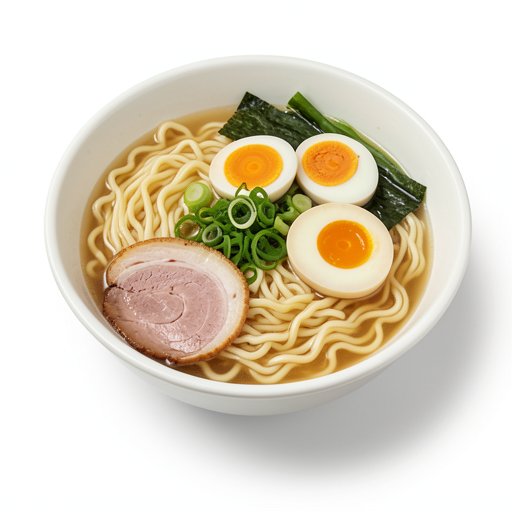
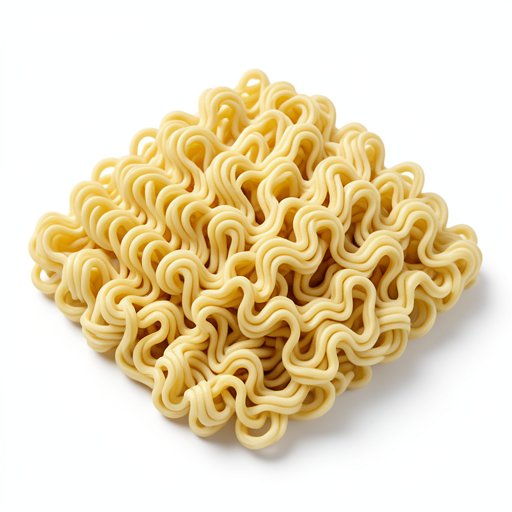
Ramen Noodles
2 packages
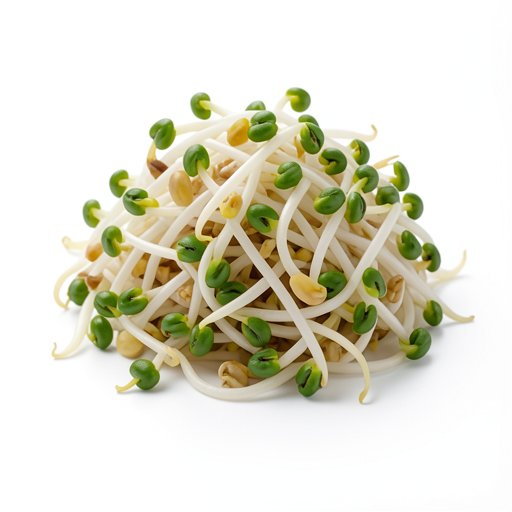
Bean Sprouts
1 cup
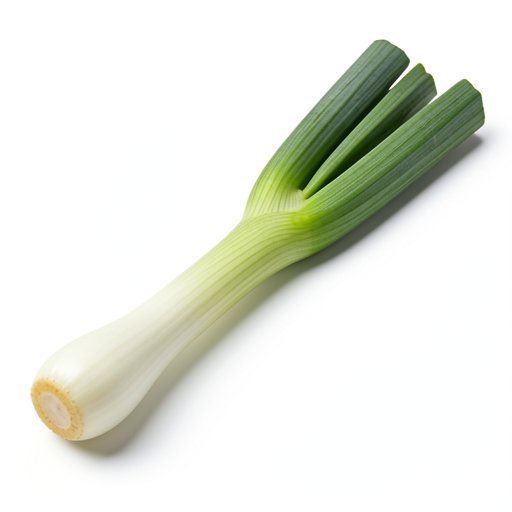
Green Onions
chopped
½ cup
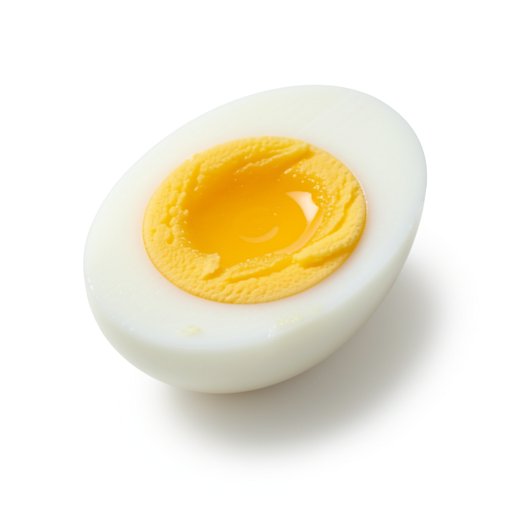
Soft-Boiled Eggs
Optional
2 pieces
Fresh Garlic
Optionalgrated
1 clove
Equipment
Dutch Oven
Fine Mesh Sieve
Instructions
1Prepare the Broth 4h
4h
4hSoak Pork Bones
Place the pork neck bones in a large bowl and soak in cold water for 1 hour. This process helps to remove blood and impurities.
Blanch Pork Bones
Drain the soaking water. Bring a large pot of water to a boil. Add the blanched pork bones and boil for 5-7 minutes. Drain and discard the blanching water. Rinse the bones under cold running water, scrubbing off any remaining impurities.
Simmer Broth
Transfer the cleaned pork bones to a large pot (Dutch oven recommended). Add the ginger, garlic bulbs, leek, kombu, and chicken powder. Pour in 24 cups of cold water. Bring to a boil over high heat, then reduce heat to medium-low, cover, and simmer for at least 3 hours, or until the broth is rich and flavorful. Skim off any scum that rises to the surface during simmering.
Strain Broth
Strain the broth through a fine-mesh sieve into a clean bowl or container. Discard the solids. You should have about 2 quarts of rich, flavorful broth.
2Prepare the Chashu Pork 45m
45m
45mCombine Chashu Ingredients
In a pot, combine the pork shoulder, 10 cups of water, sliced ginger, garlic cloves, soy sauce, sake, mirin, and sugar. Bring to a boil over high heat.
Simmer Pork
Reduce the heat to medium-low, cover, and simmer the pork for 30-45 minutes, or until tender. Flip the pork halfway through cooking. The pork should be cooked through and tender.
Cool and Slice Pork
Remove the pork from the braising liquid and let it cool in a dish for about 30 minutes. Reserve the braising liquid for the tare. Once cooled, slice the pork thinly for serving.
3Make the Tare 10m
10m
10mCombine Tare Ingredients
In a small saucepan, combine 1.5 cups soy sauce, 0.75 cup sake, 0.5 cup mirin, sliced ginger, and sliced garlic.
Simmer Tare
Bring the tare mixture to a boil over high heat, then reduce heat and simmer for 5-7 minutes until slightly thickened. Let it cool.
4Prepare Toppings and Noodles 15m
15m
15mPrepare Bean Sprouts
Bring a pot of water to a boil. Blanch the bean sprouts for about 15 seconds, then drain and set aside.
Chop Green Onions
Finely chop the green onions and set aside.
Prepare Noodles
Cook the ramen noodles according to package directions. Fresh noodles typically take 2-3 minutes. Drain well.
Prepare Eggs (Optional)
If using, soft-boil eggs by simmering them in water for 6-7 minutes. Immediately plunge into ice water to stop the cooking. Peel and halve the eggs.
Grate Garlic (Optional)
For an extra layer of flavor, grate fresh garlic directly into the ramen bowl just before serving.
5Assemble the Ramen 5m
5m
5mPrepare the Bowls
Add about 2 tablespoons of tare to the bottom of each ramen bowl. Ladle in about 2 cups of hot ramen broth and stir to combine with the tare.
Add Noodles and Toppings
Add the cooked ramen noodles to the broth. Arrange the chashu pork slices, blanched bean sprouts, chopped green onions, and optional soft-boiled egg halves on top of the noodles.
Serve
Serve immediately and enjoy your homemade Shoyu Ramen!
Tips
For a clearer broth, skim off any impurities that rise to the surface during simmering.
The chashu pork can be made ahead and stored in the refrigerator for up to 7 days, or frozen for longer storage.
Don't overcook the ramen noodles; they should be al dente for the best texture.
Adjust the amount of tare to your preference for saltiness and flavor intensity.