
Classic Croissants
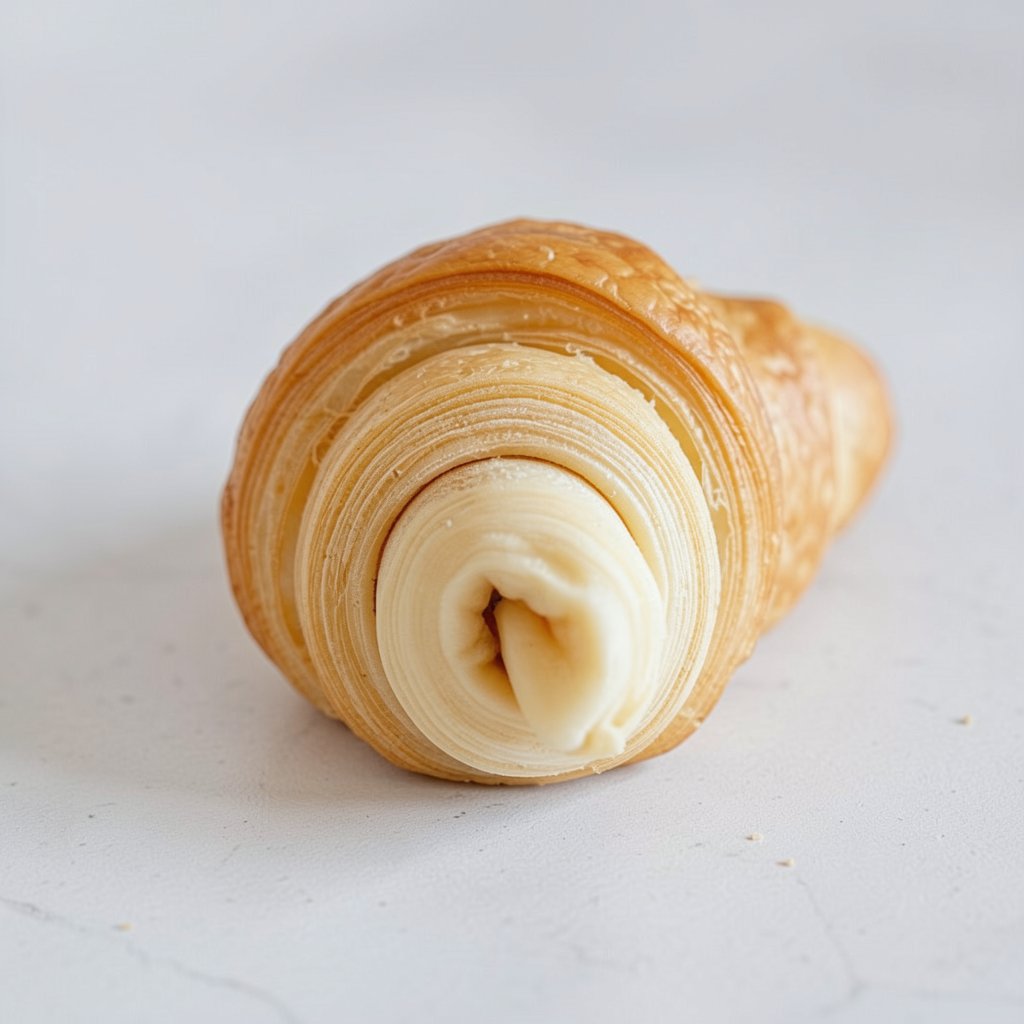
Learn to make flaky, buttery, and perfectly layered croissants from scratch using the classic French technique.
1 day 2h·DESSERT6Servings
Nutrition
366kcal
5gProtein
37gCarbs
24gFat
Ingredients
DOUGH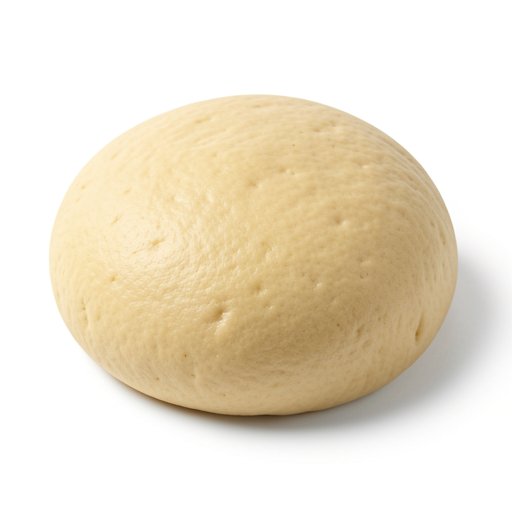
Active Dry Yeast
6 g
Water
130 ml
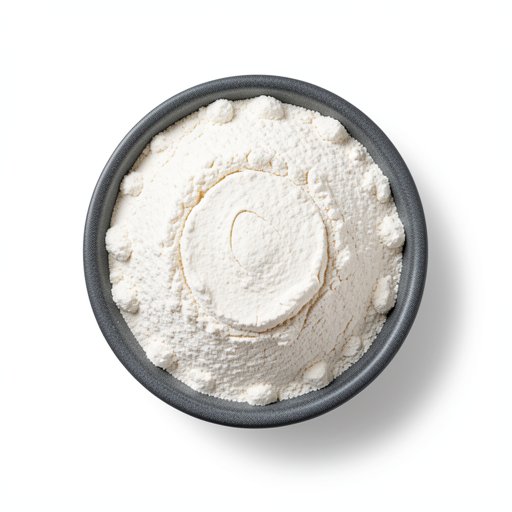
Bread Flour
250 g
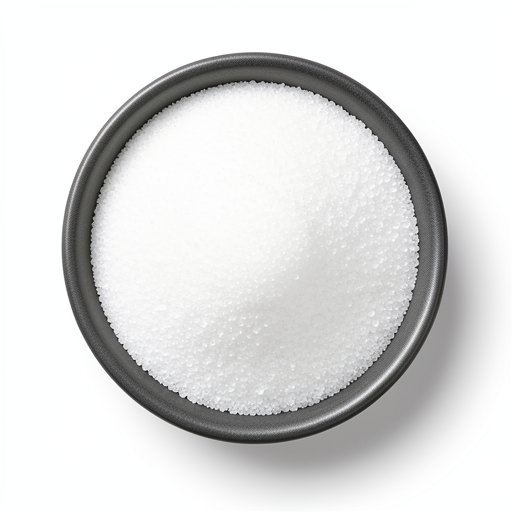
Granulated Sugar
30 g
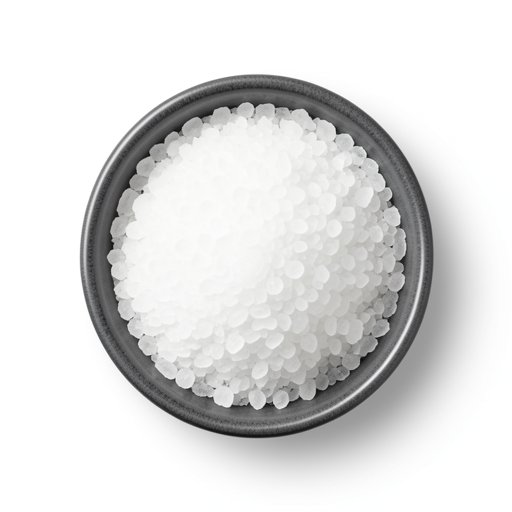
Sea Salt
5 g
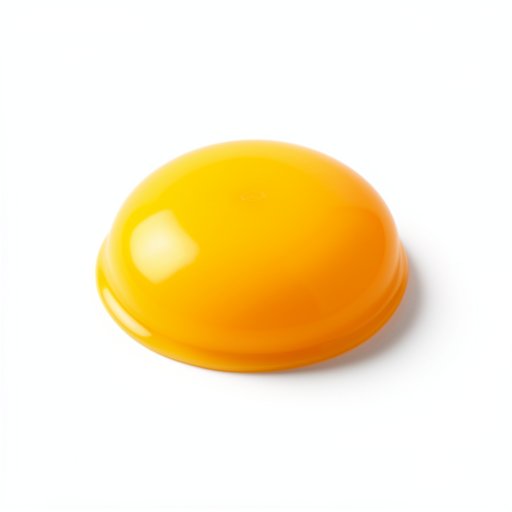
Egg Yolk
1 whole
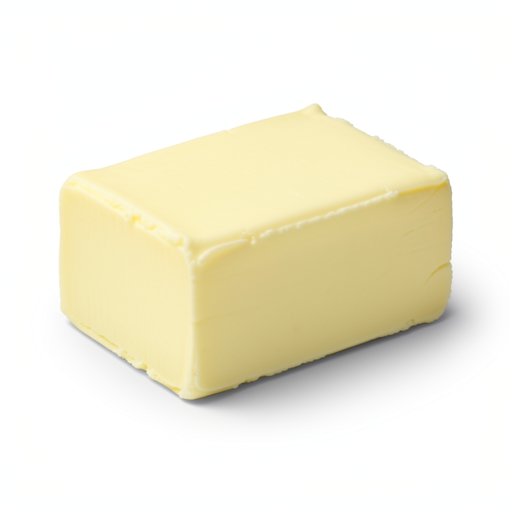
Unsalted Butter
25 g
BUTTER BLOCK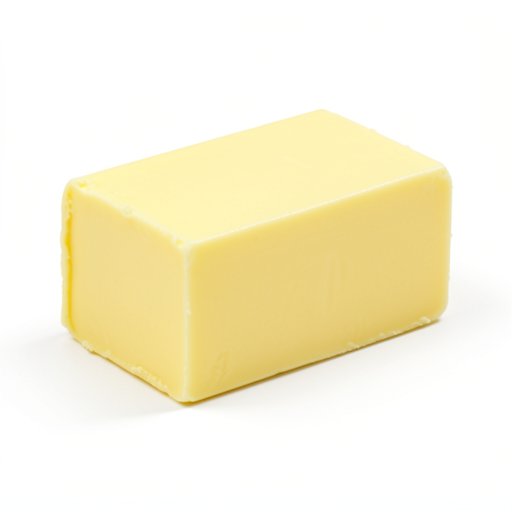
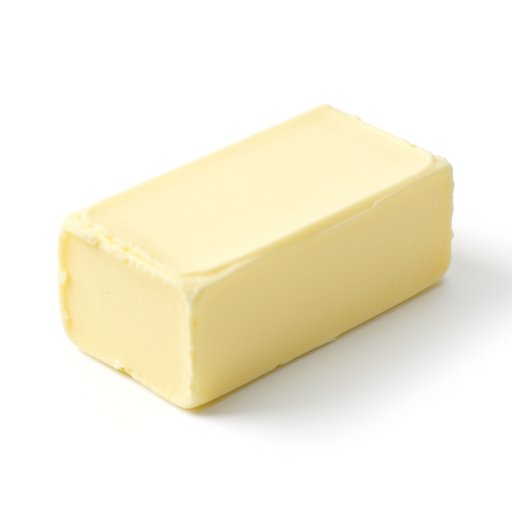
European Style Butter
138 g
Equipment
Rolling Pin
Instructions
1Prepare the Yeast 10m
10m
10mBloom Yeast
In a small bowl, whisk together 6g active dry yeast and 130ml water (around 100°F/38°C). Let it sit for 10 minutes, or until it becomes foamy.
2Make the Dough 15m
15m
15mCombine Dry Ingredients
In a medium mixing bowl, whisk together 250g bread flour, 30g granulated sugar, and 5g fine sea salt.
Add Wet Ingredients
Add the bloomed yeast mixture, 1 egg yolk, and 25g unsalted butter (melted) to the dry ingredients.
Form the Dough
Mix with a spatula until a shaggy dough forms. Then, use your hands to knead the dough in the bowl until it starts to come together. Lightly knead on a lightly floured surface for about 30 seconds to 1 minute, until it forms a smooth, elastic ball.
First Chill
Shape the dough into a ball, place it back into the bowl, cover with plastic wrap, and refrigerate for 10 minutes.
3Prepare the Butter Block 5m
5m
5mShape Butter
Unwrap 138g of European-style butter and place it on a lightly floured piece of parchment paper. Lightly pound and roll the butter into a 4x4 inch square, about 1/4 inch thick. Ensure it's evenly shaped and no butter is leaking out.
Chill Butter
Fold the parchment paper around the butter to form a neat square, then place it in the refrigerator to chill for 15-25 minutes.
4First Turn (Lamination) 20m
20m
20mRoll Out Dough
Lightly flour your work surface and the chilled dough. Roll the dough into a rectangle approximately 18 inches long and 10 inches wide. Keep the dough as evenly rectangular as possible.
Encase Butter
Place the chilled butter block in the center of the dough, oriented diagonally. Fold the edges of the dough over the butter, encasing it completely. Pinch the seams to seal, ensuring no butter is exposed.
First Roll
Using a rolling pin, lightly tap and roll the dough package into a long rectangle, about 18 inches long and 10 inches wide. Roll in one direction only, keeping even pressure.
First Fold
Fold the dough in a letter fold: fold the bottom third up, then fold the top half down over the bottom half, creating a neat rectangular package. Lightly tap to seal.
Chill
Wrap the dough tightly in plastic wrap and refrigerate for 1 hour.
5Second Turn (Lamination) 20m
20m
20mRoll Out Dough
Remove the dough from the refrigerator, unwrap, and place it on a lightly floured surface. Roll it out into a long rectangle, about 18 inches long and 10 inches wide, similar to the first roll.
Second Fold
Perform another letter fold: fold the bottom third up, then fold the top half down over the bottom half. Lightly tap to seal.
Chill
Wrap the dough tightly in plastic wrap and refrigerate for 1 hour.
6Third Turn (Lamination) 20m
20m
20mRoll Out Dough
Remove the dough from the refrigerator, unwrap, and place it on a lightly floured surface. Roll it out into a long rectangle, about 18 inches long and 10 inches wide.
Third Fold
Perform a final letter fold: fold the bottom third up, then fold the top half down over the bottom half. Lightly tap to seal.
Final Chill
Wrap the dough tightly in plastic wrap and refrigerate for at least 12 hours, or overnight.
7Shape the Croissants 30m
30m
30mRoll Out Dough
Lightly flour your work surface. Unwrap the dough and roll it into a rectangle about 10 inches wide and 18 inches long. Lightly tap the dough to flatten and even out the edges.
Mark and Cut
Using a ruler and a sharp knife, make small marks along the bottom 18-inch edge of the dough every 4.5 inches. Then, make marks along the top edge in between those marks. Cut from each top mark down to the corresponding bottom mark, creating triangles.
Shape Croissants
Take one triangle, gently stretch it to be about an inch longer. Roll it up tightly from the wide end to the tip, gently squeezing the tip to help it stick. Place seam-side down on a parchment-lined baking sheet.
Arrange on Baking Sheet
Arrange the shaped croissants on the baking sheet, leaving ample space between them. You can place a second inverted baking sheet over them to create a draft-free environment for proofing.
8Proof and Bake 2h
2h
2hProof Croissants
Cover the baking sheet loosely with plastic wrap and let the croissants proof in a warm place for about 1.5 to 2 hours, or until they have doubled in size and are puffy and jiggly. Do not allow the temperature to exceed 80°F (27°C), otherwise the butter might leak out.
Preheat Oven
Preheat your oven to 390°F (200°C) for convection or 400°F (200°C) for a typical oven.
Egg Wash
Gently brush the tops of the proofed croissants with an egg wash (1 egg yolk whisked with a tablespoon of water).
Bake
Bake in a convection oven at 390°F (200°C) for 6 minutes, then reduce the temperature to 330°F (165°C) and bake for another 10-15 minutes, or until golden brown and puffed. In a typical oven, bake at 400°F (200°C) for 15-20 minutes, or until golden brown and puffed.
Cool
Transfer the baked croissants to a wire rack to cool completely.
Tips
Ensure your butter is cold when making the butter block and your dough is well-chilled between folds to prevent the butter from melting into the dough.
Be gentle when rolling and folding the dough to avoid tearing the layers and to keep the butter intact.
Proofing is crucial for light and airy croissants; ensure they are doubled in size and feel delicate before baking.
Do not allow the proofing temperature to exceed 80°F (27°C) to prevent the butter from leaking out.