
Authentic Nihari Recipe
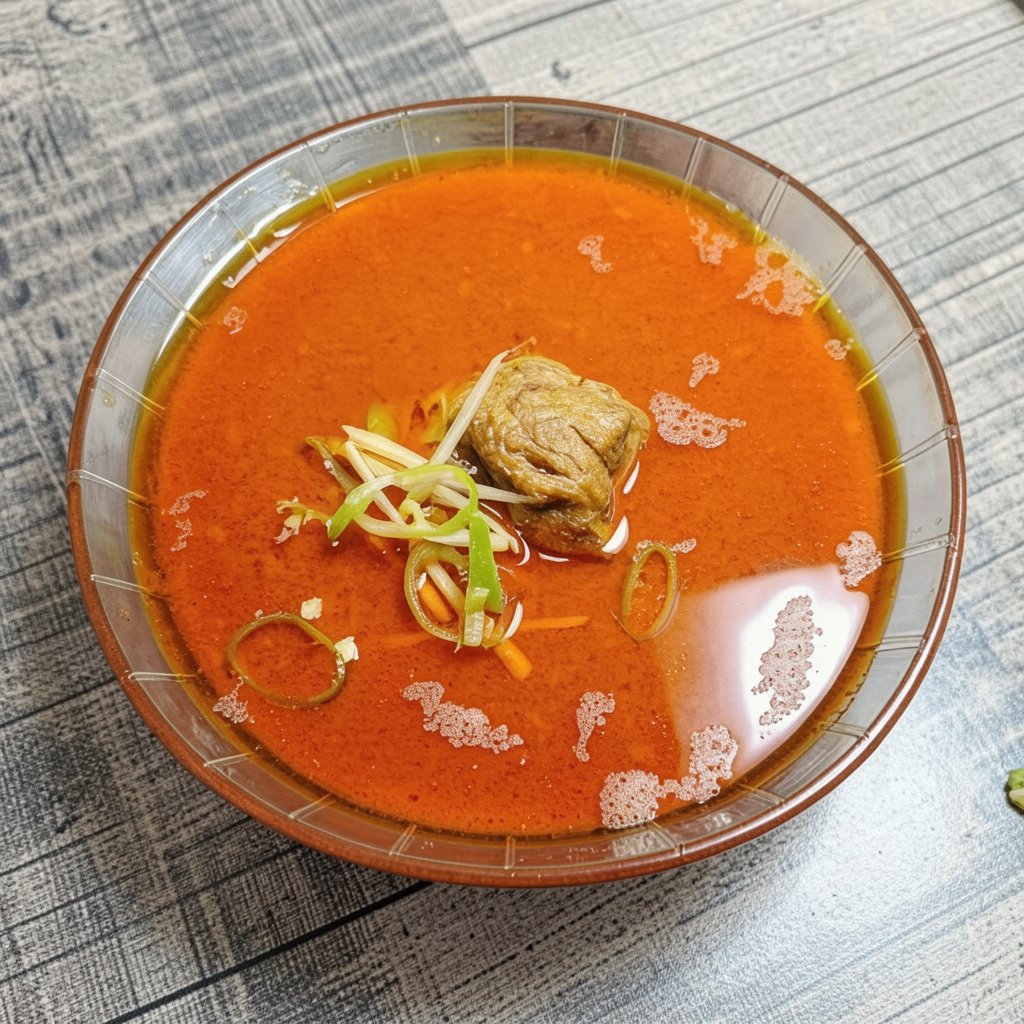
A traditional and rich Nihari recipe, slow-cooked to perfection with tender meat and aromatic spices, offering an authentic taste of Pakistani cuisine.
6h16Servings
Nutrition
793kcal
46gProtein
11gCarbs
62gFat
Ingredients
NIHARI BASE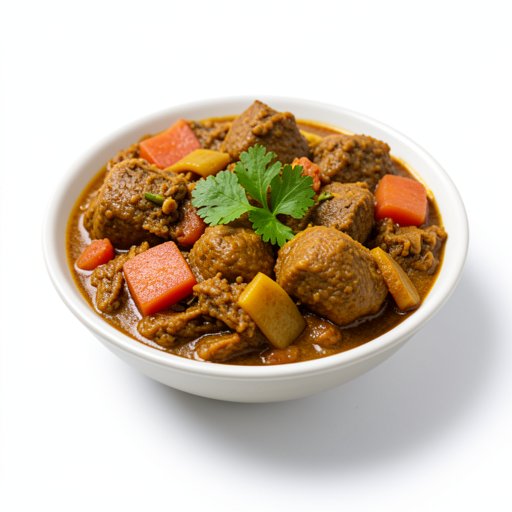
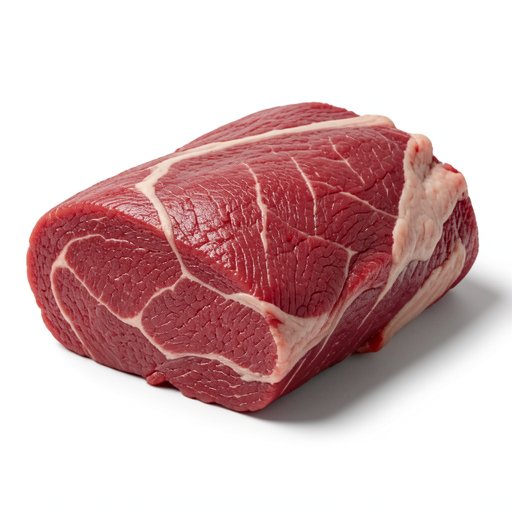
Beef Meat
2 kg
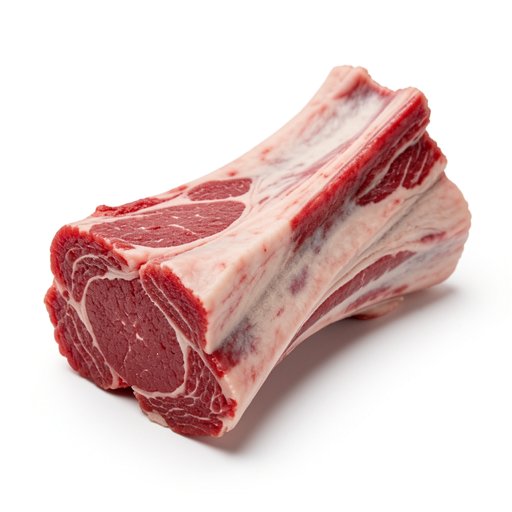
Beef Bones
1.5 kg
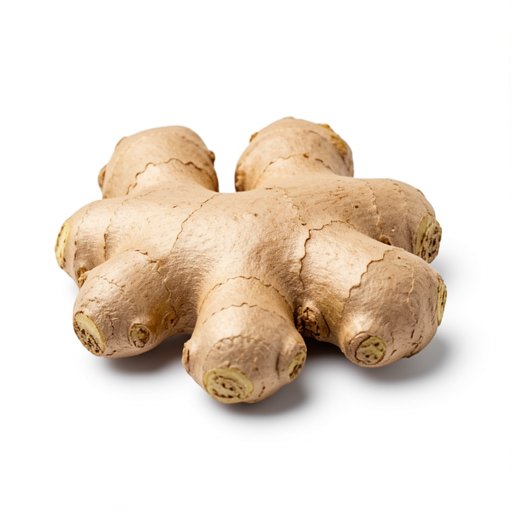
Dry Ginger (Sainth)
approx. 1 tbsp powder
2 inches
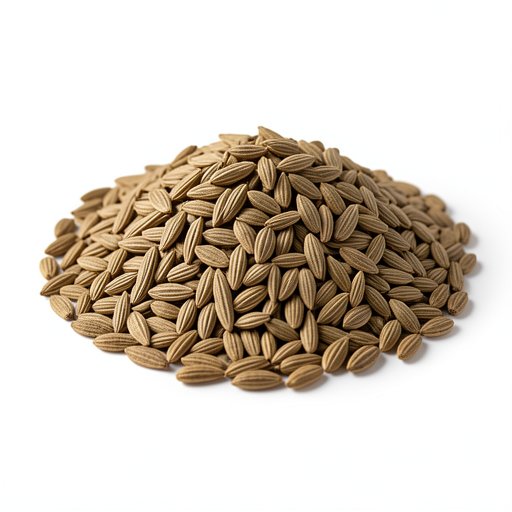
Fennel Seeds
3 tbsp
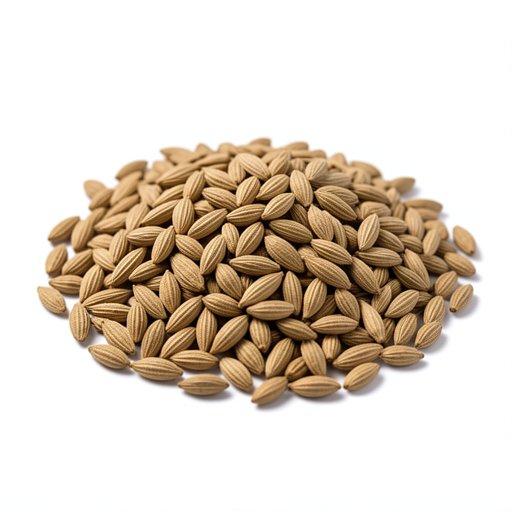
Cumin Seeds
2 tbsp
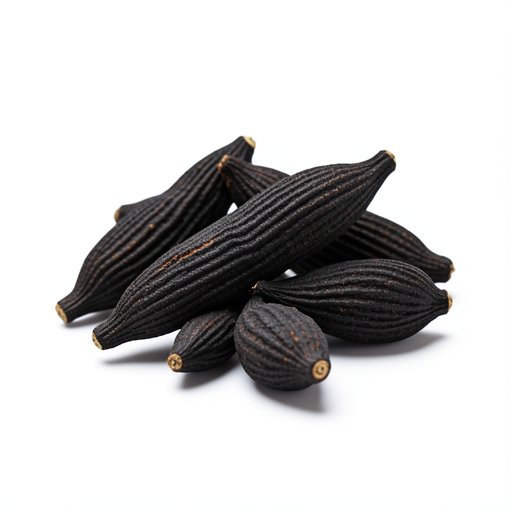
Black Cardamom
4 pieces
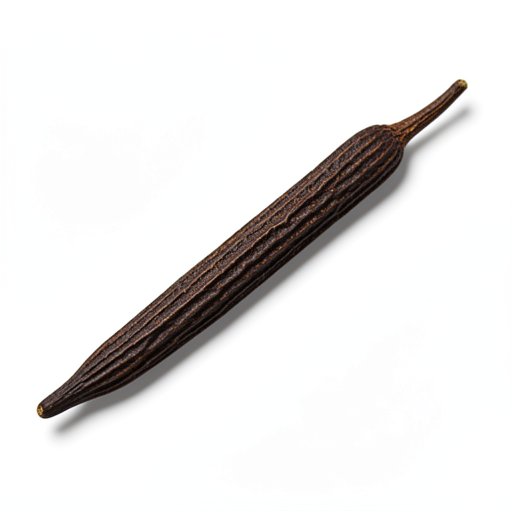
Long Pepper (Pipli)
4 pieces
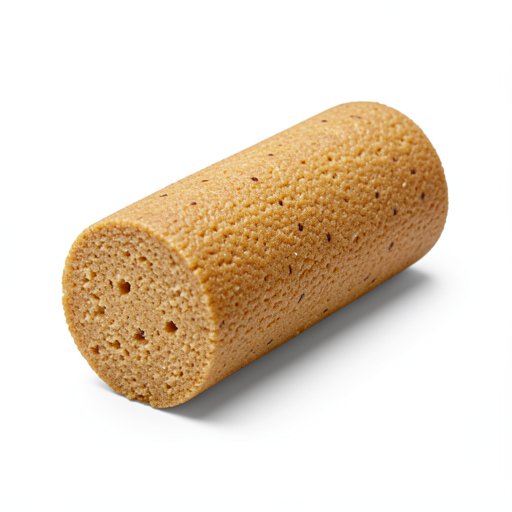
Mace
4 small pieces
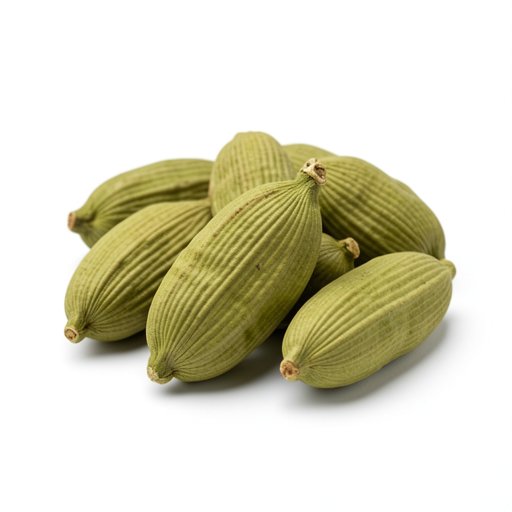
Green Cardamom
or 10
8 pieces
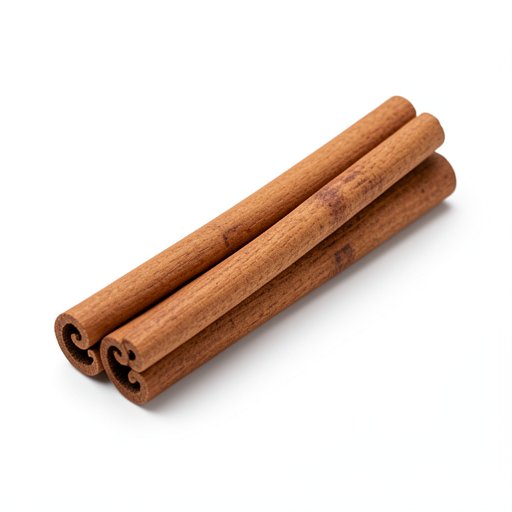
Cinnamon Sticks
1-2 inches each
4 small pieces
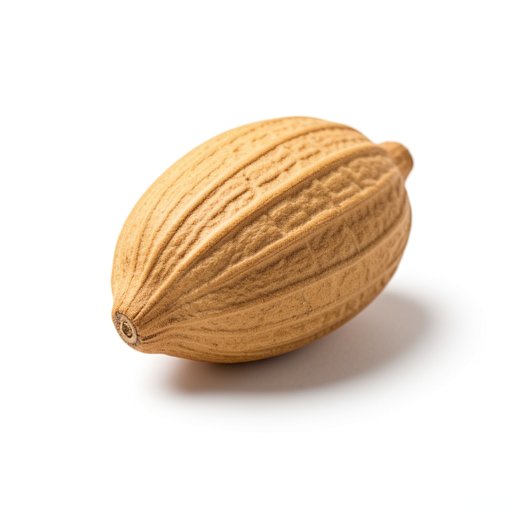
Nutmeg
or 1/2 piece
1 small piece
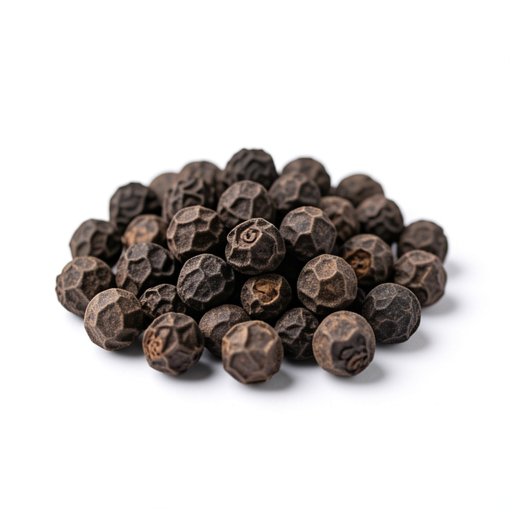
Black Pepper Corns
1 tbsp
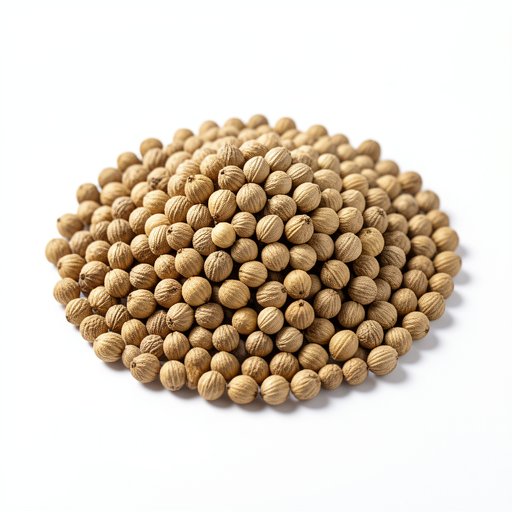
Dry Coriander Seeds
4 tbsp
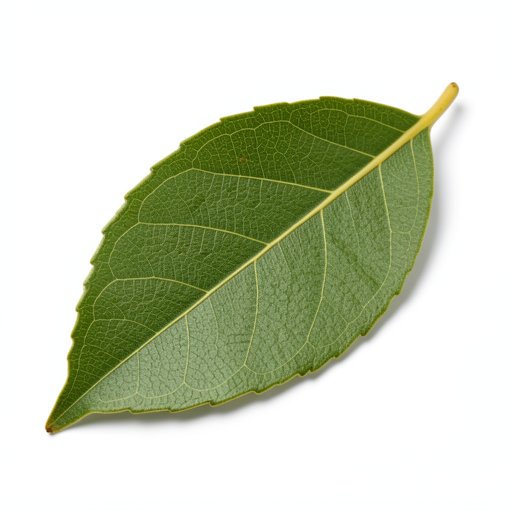
Bay Leaves
or 10
8 pieces
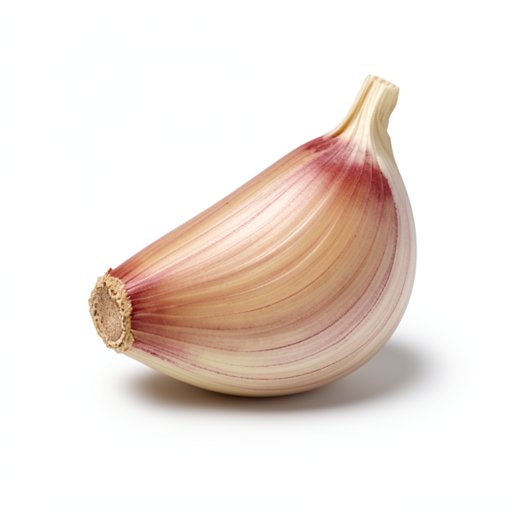
Garlic
approx. 2 tbsp crushed
6 large cloves
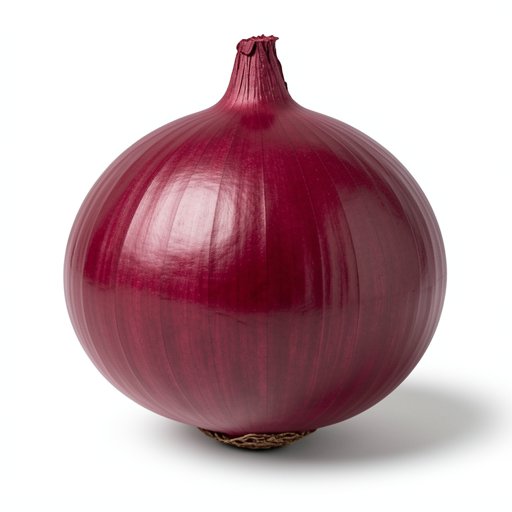
Onion
finely chopped
1 large
Water
4 l
NIHARI MASALA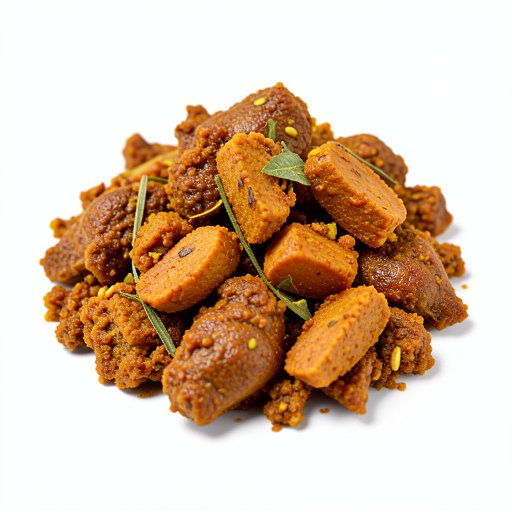
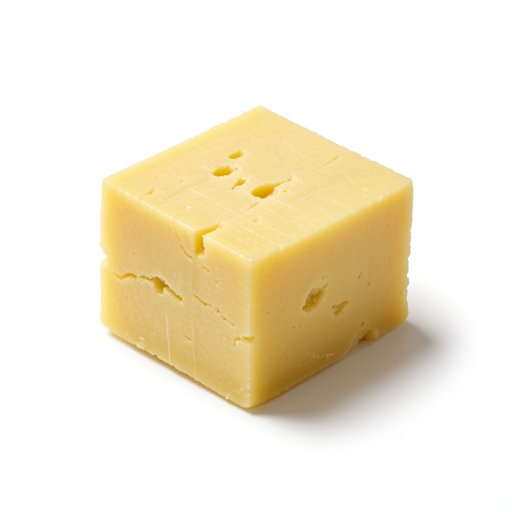
Ghee
500 g
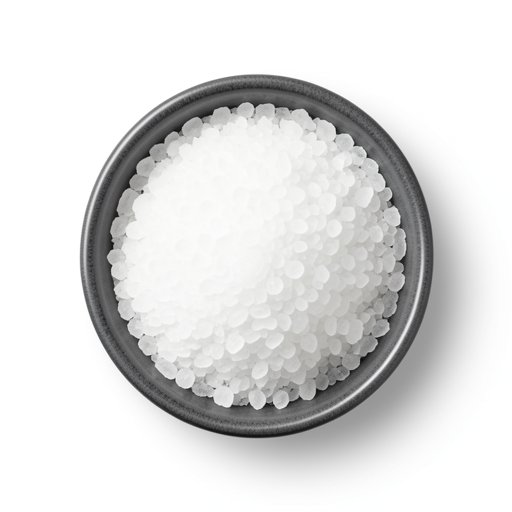
Salt
to taste
1½ tbsp
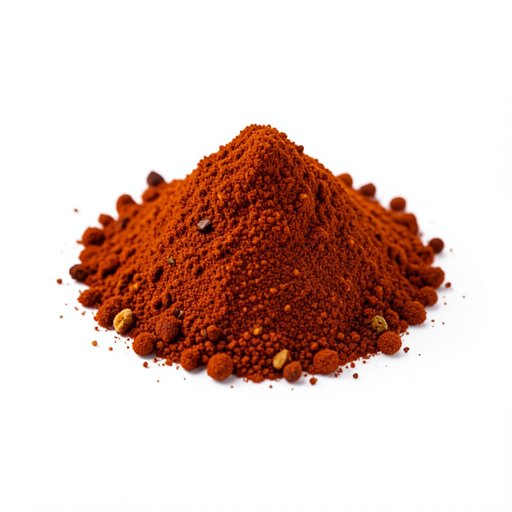
Red Chilli Powder
2½ tbsp
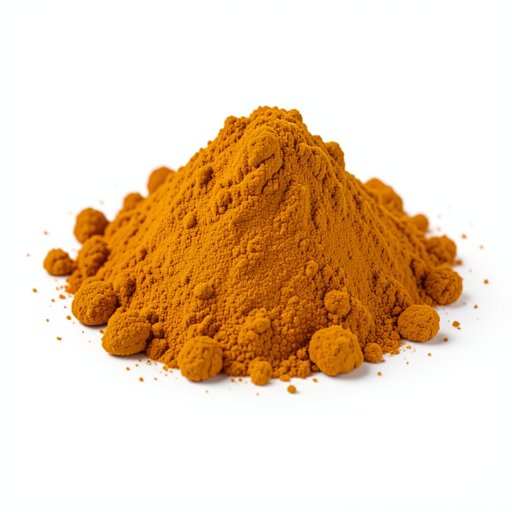
Turmeric
½ tbsp
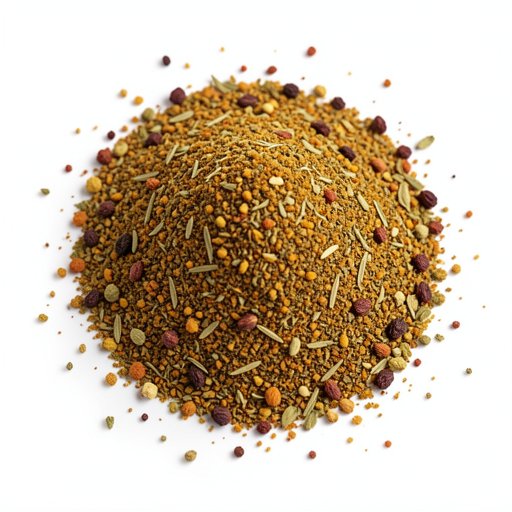
Spice Mix 2
from beginning (dry ginger, fennel, cumin)
1½ tbsp
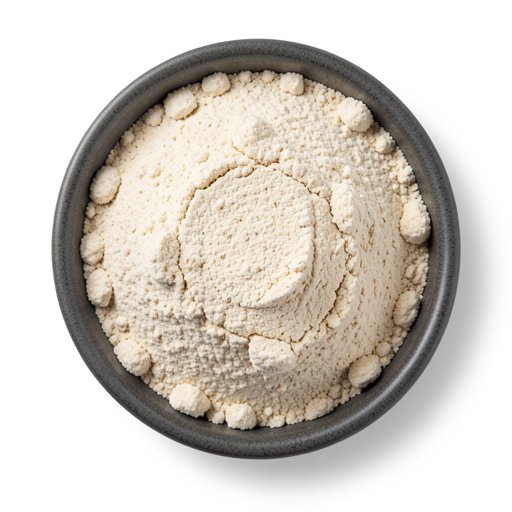
Fine Wheat Flour
1 cup
Water to mix Flour
approx.
1 cup
GARNISHES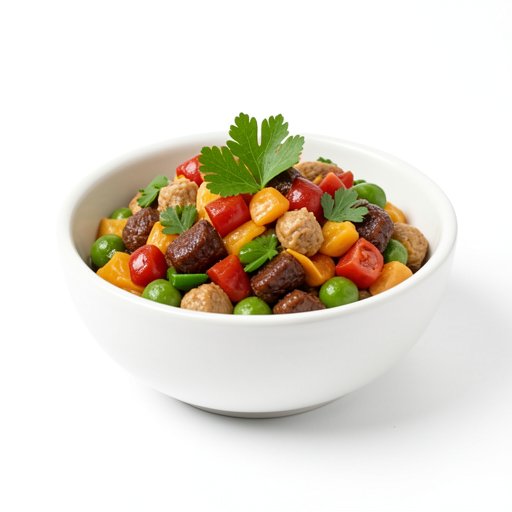
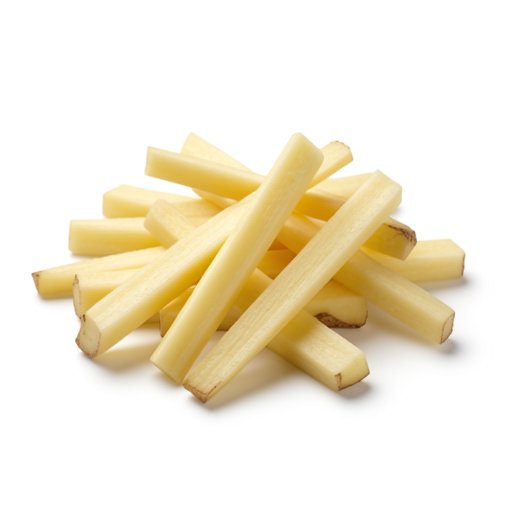
Ginger Julienne
1 tbsp
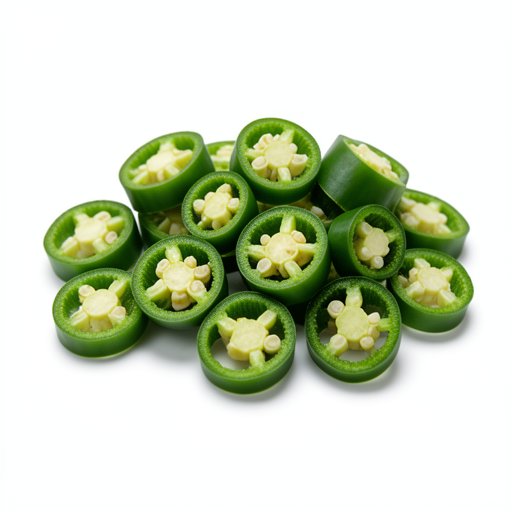
Green Chillies Sliced
2 tbsp
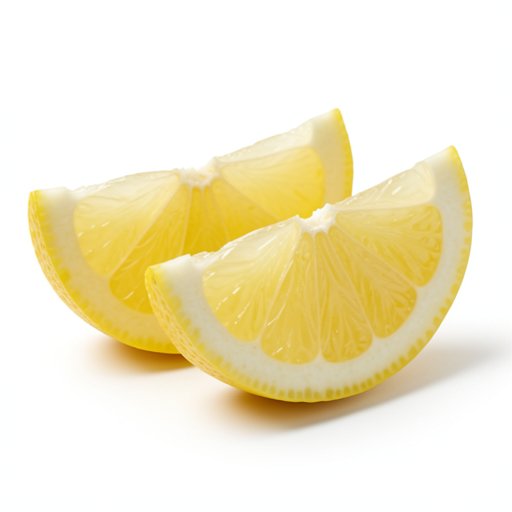
Lemon Wedges
1 piece
Equipment

Cheesecloth
Instructions
1Prepare the Nihari Base 1h
1h
1hBoil Bones and Meat
In a large pot, add 4 liters of water, 2kg beef meat (cut into big pieces), and 1.5kg beef bones. Add the cheesecloth bundle containing dry ginger, fennel seeds, cumin, black cardamom, long pepper, mace, green cardamom, cinnamon sticks, nutmeg, black pepper, dry coriander seeds, and bay leaves. Bring to a boil, then reduce heat and simmer for 1 hour, skimming off any impurities.
Strain the Broth
After 1 hour, remove the bones and meat. Strain the broth through a fine mesh sieve into a clean pot. Discard the cheesecloth bundle. The bones and meat can be set aside for later use in the dish.
2Prepare the Nihari Masala 15m
15m
15mFry Onions
In a separate pot, heat 500g of ghee over medium heat. Add 1 finely chopped large onion and fry until light golden brown. Be careful not to burn the onions.
Add Meat and Spices
Add the meat pieces (cut into smaller, manageable pieces) to the pot with the fried onions. Add 1.5 tbsp salt, 2.5 tbsp red chilli powder, and 0.5 tbsp turmeric. Sauté for 3-4 minutes until the meat is coated with spices.
Add Masala Mix
Add 1.5 tbsp of the spice mix (dry ginger, fennel, cumin powder) to the pot. Stir well and cook for another 2-3 minutes.
3Simmer the Nihari 3h
3h
3hAdd Broth and Simmer
Pour the strained broth from the base preparation into the pot with the meat and spices. Bring to a boil, then reduce the heat to low, cover, and let it simmer for at least 2.5 to 3 hours, or until the meat is extremely tender.
Prepare Flour Slurry
In a separate bowl, mix 1 cup of fine wheat flour with approximately 1 cup of water (or Nihari broth) to create a smooth, milk-like consistency slurry. Ensure there are no lumps.
Thicken the Nihari
Gradually add the flour slurry to the simmering Nihari, stirring continuously to prevent lumps. Cook for another 20-30 minutes on low heat, stirring occasionally, until the gravy thickens to your desired consistency.
Add Bone Marrow
Add the boiled bones (with marrow) back into the Nihari. Let them simmer for about 15-20 minutes to release their flavor and marrow into the gravy.
Rest the Nihari
Turn off the heat. Cover the pot with a clean cloth and then the lid. Let the Nihari rest for at least 30-45 minutes. This allows the flavors to meld and the oil to separate naturally.
4Serve 5m
5m
5mSeparate Oil
Carefully skim off the separated oil from the top of the Nihari into a small bowl. This oil is used for garnishing.
Garnish and Serve
Serve the Nihari hot in bowls. Garnish with julienned ginger, sliced green chillies, lemon wedges, and a drizzle of the reserved oil. Serve with naan or roti.
Tips
For authentic flavor, ensure the cheesecloth bundle of whole spices is simmered with the meat and bones for at least an hour.
Do not overcook the onions when frying; they should be light golden to avoid a bitter taste.
The slow cooking and resting process is crucial for tender meat and well-developed flavors in Nihari.
The consistency of the flour slurry should be like milk; too thick and it will clump, too thin and it won't thicken the gravy properly.
Nihari tastes even better the next day after the flavors have had more time to meld.